
Royal and Local History
King Nikola Palace and Bar Homeland Museum
Bar · Southern Coast & Ulcinj
QUICK INFORMATION
- CATEGORY
- Royal and Local History
- COUNTRY
- Montenegro
- REGION
- Bar · Southern Coast & Ulcinj
- DURATION
- 2 days
ABOUT THIS ATTRACTION
King Nikola’s Palace on the Bar waterfront is a late 19th-century palace complex associated with the Petrović-Njegoš dynasty, the ruling house of Montenegro, and it served as a summer residence for King Nikola I. It should not be confused with King Nikola’s Palace in Cetinje, the former royal capital — the Bar building is the coastal summer residence, a separate site with its own history and purpose. Today the palace complex is used for local museum and cultural purposes, housing the Bar Homeland Museum and presenting the region’s history, ethnography and royal associations. The complex sits within a seafront park and includes supporting palace buildings, and its waterfront position connects it to the modern promenade and the working port beyond. It is the place where Bar’s royal and local history meet the modern waterfront, and the best single stop for understanding the town’s 19th- and 20th-century identity rather than its medieval and Ottoman past.
HISTORY & BACKGROUND
The story behind it
The palace complex on the Bar waterfront dates from the late 19th century and is associated with the Petrović-Njegoš dynasty, the ruling house of Montenegro under Prince and later King Nikola I. Bar was transferred to Montenegro following the Congress of Berlin in 1878, and the modern coastal town grew up around the harbour and its transport links in the decades that followed; the palace belongs to this phase of Montenegrin Bar rather than to the older Ottoman town on the hill. It functioned as a summer residence for the Montenegrin ruler, a coastal counterpart to the court at Cetinje, and it was later adapted for public use. In the modern era the complex has housed the Bar Homeland Museum and cultural functions, presenting the region’s local history, ethnography and royal associations. It is a distinct building from King Nikola’s Palace in Cetinje, which served as the principal royal residence in the former capital, and the two should not be confused.
WHAT TO SEE
What to see here
The palace complex — a late 19th-century royal summer residence associated with the Petrović-Njegoš dynasty, now used for local museum and cultural purposes.
The Bar Homeland Museum — the local museum housed within the complex, presenting the region’s history, ethnography and royal associations.
The seafront park and supporting palace buildings — the wider complex on the Bar waterfront, part of the same royal and civic landscape.
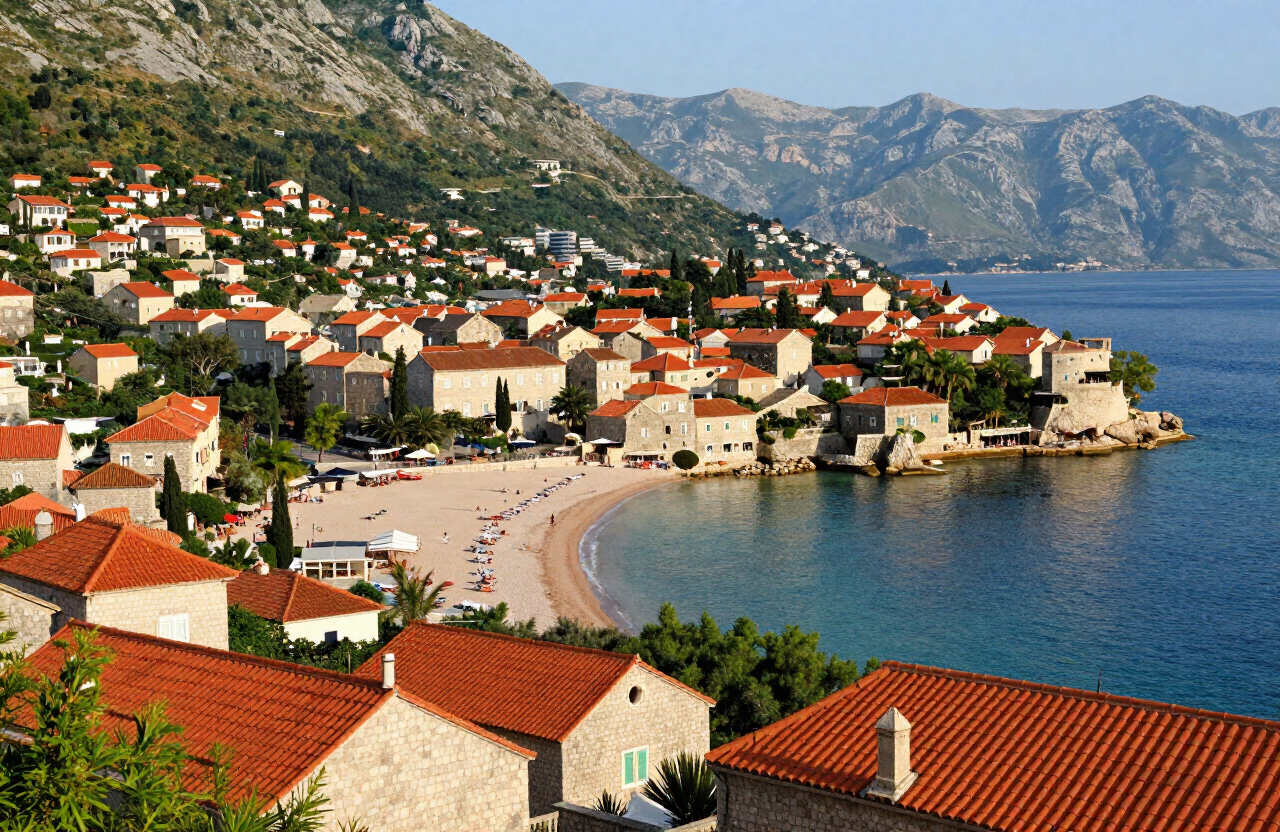
The waterfront setting — the palace’s position on the modern promenade, connecting it to the working port and the public-facing waterfront of Bar.
WHY IT MATTERS
Why it matters
King Nikola’s Palace is the place where Bar’s royal and local history meet the modern waterfront — a late 19th-century summer residence of the Petrović-Njegoš dynasty that now houses the Bar Homeland Museum and presents the region’s 19th- and 20th-century identity. For a visitor it is the counterpoint to the medieval and Ottoman layers of Stari Bar: the more recent, Montenegrin phase of the town, told through a royal building and a local museum on the seafront. It should not be confused with King Nikola’s Palace in Cetinje, which is a separate site in the former royal capital.
PRACTICAL INFORMATION
Before you go
MAP & LOCATION
King Nikola Palace and Bar Homeland Museum
King Nikola Palace and Bar Homeland Museum, Bar, Southern Coast & Ulcinj, Montenegro
MORE ATTRACTIONS
More to see in Bar


FOOD & DRINK
Where to eat nearby
Konoba Stari Mlin — traditional Montenegrin dishes on the road up to Stari Bar, a natural stop between the modern town and the old town
Bar waterfront and port restaurants — grilled fish, seafood and Montenegrin home cooking along the promenade and around the marina in modern Bar
Stari Bar cafés and konobas — small family-run places among the restored stone houses of the old town, serving grilled meat, local cheese and wine from the Rumija foothills
Olive-oil producers of Stara Maslina area — tastings and local products (oil, honey, wine) sold directly by growers around Mirovica and the old olive groves
HOTELS & STAYS
Where to stay nearby
Hotel Princess — a four-star resort base on the Bar seafront, with pools and direct promenade access
Stari Bar guesthouses — small stone-house rooms and apartments in and around the old town, quiet and several degrees cooler than the coast in summer
Modern Bar apartments and marina stays — self-catering apartments near the waterfront, port and rail station, practical for arriving by bus or train
Sutomore and Čanj coast — beach resorts and apartment camps a short ride north, a cheaper base within easy reach of Bar by the coastal road or rail line
ITINERARIES
Day-by-day routes
NEARBY DESTINATIONS
Continue the journey

PART OF
Keep exploring
The atlas goes on — more attractions, destinations and stories from every corner of the world.