Landmark
Duomo di Milano
Milan · Lombardy
QUICK INFORMATION
- CATEGORY
- Landmark
- COUNTRY
- Italy
- REGION
- Milan · Lombardy
- DURATION
- 1–2 days
ABOUT THIS ATTRACTION
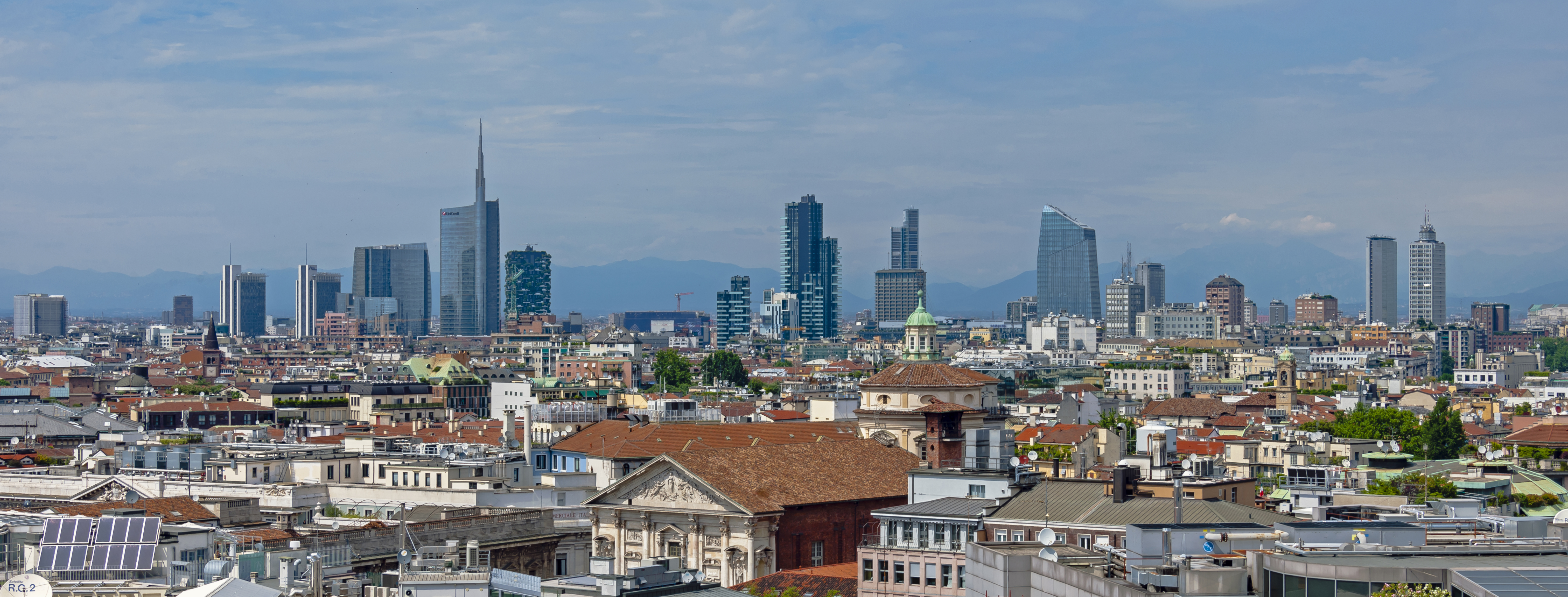
The Duomo di Milano is the Gothic cathedral at the centre of Milan, a building so dense with spires, pinnacles and statues that it reads as a single carved mountain of white Candoglia marble. Begun in 1386 under Duke Gian Galeazzo Visconti, it was built over six centuries and only formally completed in 1965, when the last bronze door was installed. It is the largest church in Italy and one of the largest in the world, and its rooftop — a maze of flying buttresses, pinnacles and walkways among the spires — is the most extraordinary view in the city, with the Alps visible on a clear day.
HISTORY & BACKGROUND
The story behind it
Milan’s earlier cathedral, Santa Tecla, stood beside the basilica of Sant’Ambrogio, but in 1386 Duke Gian Galeazzo Visconti decided to build a vast new Gothic cathedral on the site, partly to assert his power and partly to rival the great cathedrals of France. Work proceeded slowly across the centuries — the nave was finished in the 16th century, the façade largely in the 17th and 18th, and the final details as late as the 20th. Napoleon, who was crowned King of Italy in the cathedral in 1805, ordered the façade finished, and the building was only formally completed in 1965. The Candoglia marble was brought by canal from the quarry on Lake Maggiore, which is why the cathedral sits at the heart of the Navigli canal system.
WHAT TO SEE
What to see here
The rooftop — the maze of walkways among the spires and pinnacles, with the golden Madonnina statue at the highest point and views to the Alps.
The forest of spires — the cathedral has 135 spires and some 3,400 statues, the densest sculptural decoration of any Gothic cathedral.
The interior — the vast nave with its clustered pillars, the stained glass and the St Bartholomew Flayed statue by Marco d’Agrate.
The archaeological area — the ruins of the early-Christian baptistery of St John and the basilica of Santa Tecla beneath the cathedral, where St Ambrose baptized St Augustine.
WHY IT MATTERS
Why it matters
The Duomo is the building that defines Milan, and the one that took the longest to build — six centuries of continuous work, paid for by the city and by every ruler from the Visconti to Napoleon. Its rooftop is unlike any other cathedral experience in Europe: walking among the spires at the level of the flying buttresses is to be inside the architecture rather than beneath it. For a visitor, it is the single sight that most clearly expresses the ambition and the patience of the city.
PRACTICAL INFORMATION
Before you go
MAP & LOCATION
Duomo di Milano
Duomo di Milano, Milan, Lombardy, Italy
45.4644, 9.1915
MORE ATTRACTIONS
More to see in Milan
THINGS TO DO
Things to do nearby
FOOD & DRINK
Where to eat nearby
Trattoria Milanese — a historic trattoria for the classic risotto alla Milanese and ossobuco, since 1933
Marchesi 1824 — one of Milan’s oldest pasticcerie, for breakfast pastries and coffee in the Brera quarter
Ristorante Cracco — Carlo Cracco’s celebrated modern Milanese restaurant in the Galleria, book well ahead
Luini — the famous panzerotto fry-shop near the Duomo, a Milanese street-food institution since 1888
Trattoria del Nuovo Macello — a buzzy modern trattoria near Porta Romana, honest cooking and a great wine list
HOTELS & STAYS
Where to stay nearby
Bulgari Hotel Milano — a luxury hotel in a quiet quarter near La Scala, with a garden and a spa
Armani Hotel Milano — Giorgio Armani’s design hotel in the fashion quadrilateral, with a rooftop restaurant
Hotel Spadari al Duomo — a design hotel a short walk from the Duomo, good value for a central base
Room Mate Giulia — a stylish hotel beside the Duomo, designed by Patricia Urquiola
NEARBY DESTINATIONS
Continue the journey

PART OF
Keep exploring
The atlas goes on — more attractions, destinations and stories from every corner of the world.