Milan, Italy

Cities & Culture

Milan

Italy’s financial and fashion capital, home to the Duomo, Leonardo’s Last Supper and the canals of the Navigli.

Plan my trip

QUICK INFORMATION

COUNTRY
Italy
REGION
Lombardy
BEST TIME TO VISIT
April to June and September to October
DURATION
1–2 days

ABOUT THE DESTINATION

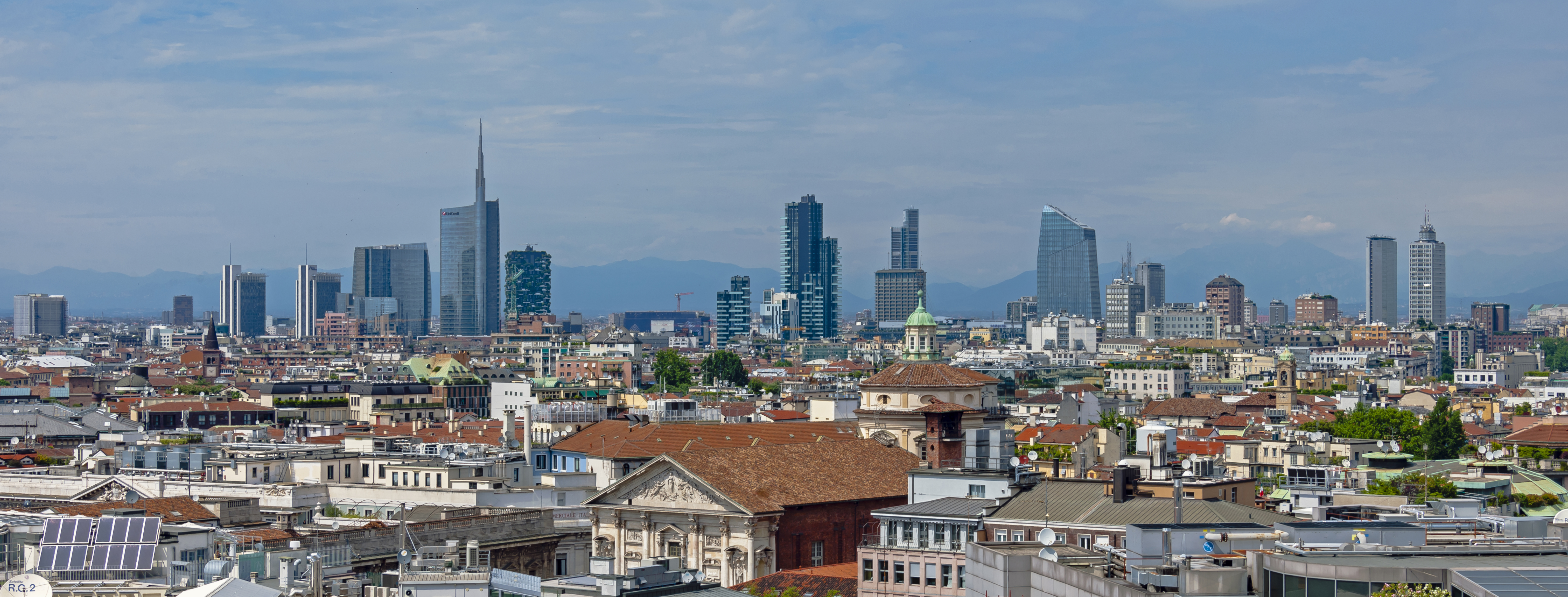
Milan is the capital of Lombardy and Italy’s largest metropolitan area, a global centre of fashion, design and finance built around the Gothic Duomo and the Galleria Vittorio Emanuele II. Leonardo da Vinci’s Last Supper, the Sforza Castle, the Brera art quarter and the Navigli canals give the city its layered identity between the Alps and the Po valley.

HISTORY & CULTURE

The Story Behind the Place

Milan was a Roman city, then the capital of the Western Empire for much of the 4th century under Constantine and the seat where St Ambrose was bishop and St Augustine was baptized. After the fall of Rome it passed through the Lombards, the Visconti and the Sforza, under whom it became one of the great Renaissance courts — the court of Ludovico il Moro, Leonardo’s patron. After the Sforza fell, Milan was ruled by Spain, then Austria, then Napoleon, then Austria again, before joining the new kingdom of Italy in 1861. The 20th century made it the engine of Italian industry and finance, and the city rebuilt rapidly after the heavy bombing of the Second World War. Today it is Italy’s wealthiest and most modern city, a global capital of fashion and design, but its cathedral, its castle and Leonardo’s Last Supper keep the long history visible at its centre.

FOOD & DRINK

WHERE TO EAT

01

Trattoria Milanese — a historic trattoria for the classic risotto alla Milanese and ossobuco, since 1933

02

Marchesi 1824 — one of Milan’s oldest pasticcerie, for breakfast pastries and coffee in the Brera quarter

03

Ristorante Cracco — Carlo Cracco’s celebrated modern Milanese restaurant in the Galleria, book well ahead

04

Luini — the famous panzerotto fry-shop near the Duomo, a Milanese street-food institution since 1888

05

Trattoria del Nuovo Macello — a buzzy modern trattoria near Porta Romana, honest cooking and a great wine list

HOTELS & STAYS

WHERE TO STAY

01

Bulgari Hotel Milano — a luxury hotel in a quiet quarter near La Scala, with a garden and a spa

02

Armani Hotel Milano — Giorgio Armani’s design hotel in the fashion quadrilateral, with a rooftop restaurant

03

Hotel Spadari al Duomo — a design hotel a short walk from the Duomo, good value for a central base

04

Room Mate Giulia — a stylish hotel beside the Duomo, designed by Patricia Urquiola

ITINERARIES

Keep Driving

More here soon — the road is still being mapped.

NATURE & WILDLIFE

The Living Landscape

Milan is a dense, flat city, but it is ringed by green spaces and water. The Parco Sempione behind the Sforza Castle is the central park; the navigli canals, partly designed by Leonardo, are a green corridor through the southwest; and the Bosco Verticale, a pair of residential towers planted with trees, has become the symbol of the city’s recent greening. Beyond the city, the Lombard lakes — Como, Maggiore and Garda — and the Alps are within an hour by train, giving Milan one of the most dramatic natural settings of any European metropolis.

PLAN YOUR VISIT

Practical Information

Getting There

Milan is reached by air via Malpensa airport (the main hub, with the Malpensa Express train to Cadorna and Centrale), Linate airport (close to the city, with a bus to the centre) and Bergamo Orio al Serio (low-cost carriers, with a bus to Centrale). High-speed trains run to Milano Centrale from Rome (3h), Florence (1h40), Venice (2h30) and Bologna (1h).

Park Entrances

Book the Last Supper months ahead — it is the one sight that sells out completely. Book the Duomo rooftop and the Brera online for timed slots; the Sforza Castle museums can usually be booked on the day.

How Long to Stay

Allow two full days. The Duomo, the Last Supper, the Sforza Castle and the Brera fill that time, with an evening in the Navigli; a third day lets you reach Lake Como.

When to Go

April to June and September to October are ideal — mild, bright and animated by the design and fashion weeks. July and August are hot, humid and partly emptied of locals; winter is grey but quiet, with the opera season at La Scala.

What to Wear & Bring

Comfortable shoes, a smart outfit if you plan to attend La Scala or eat in the fashion quarter, and a booked ticket for the Last Supper — without it you will not get in.

Accessibility & Mobility

The centre is largely flat and well paved, with good metro access; the Duomo rooftop has a lift option, and the major museums have lifts and accessible routes. The Last Supper refectory is accessible.
WEATHER

Milan — Current conditions & forecast

Forecast data from Open-Meteo. Updated regularly.

TRAVEL GUIDES · STORIES

More here soon — the road is still being mapped.

All stories

REGIONS

Explore the region

COUNTRIES

Explore the country

MORE TO EXPLORE

Keep exploring

The atlas goes on — more destinations, stories and road trips from every corner of the world.