
Museum & Archaeology
Budva City Museum and Archaeological Collection
Budva · Budva & Central Coast
QUICK INFORMATION
- CATEGORY
- Museum & Archaeology
- COUNTRY
- Montenegro
- REGION
- Budva · Budva & Central Coast
- DURATION
- 1–2 days
ABOUT THIS ATTRACTION
The Budva City Museum is the place where the long, layered past of the town — Greek colony, Roman municipium, Byzantine, Serbian and Venetian outpost — is gathered under one roof. Housed in historic buildings within the walled old town, it holds the archaeological finds recovered from Budva and its surroundings: Hellenistic and Roman pottery and glass, jewellery and coins, medieval stone fragments and icons, and the material record of a settlement occupied for two and a half thousand years. Where the walls and the citadel show Budva’s defensive frame, the museum shows the people who lived inside it — the traders, worshippers and householders whose objects now sit in the cases. It is the indoor, contemplative counterweight to a morning on the walls, and a good retreat when the sun is high or the citadel is closed.
HISTORY & BACKGROUND
The story behind it
Budva is one of the oldest settlements on the Adriatic, founded as a Greek colony in the 4th century BC and later Roman, Byzantine, Serbian and Venetian, and the archaeological material recovered from the town and its necropoleis reflects every layer of that long occupation. The City Museum was established to gather and present that material, housed in historic buildings within the old town and built up from excavations carried out as the modern town grew and as the post-1979-earthquake reconstruction exposed new finds. The collection spans Hellenistic and Roman antiquity through the medieval and Venetian periods, and it continues to grow as conservation and excavation bring new material to light. The museum’s displays, layout, opening arrangements and the availability of particular exhibits have changed over time and remain at the discretion of the institution.
WHAT TO SEE
What to see here
The Hellenistic and Roman pottery and glass — the everyday vessels and fine wares recovered from Budva’s ancient necropoleis, evidence of a Greek and Roman town on the peninsula.
The jewellery and personal ornaments — gold, silver and bronze pieces from the ancient and medieval periods, among the most striking finds from the Budva tombs.
The coins and trade objects — the currency of a town that traded across the Adriatic for two and a half thousand years, from Greek issues to Venetian coinage.
The medieval stone fragments and icons — carved stone and religious art from Budva’s churches and monasteries, the later layers of the town’s past.
WHY IT MATTERS
Why it matters
The City Museum is where Budva’s deep past — older than the walls, older than the Venetian town — becomes visible as objects rather than as stone. For a visitor it is the place that ties the lanes and the citadel to the people who built them, and the only site in Budva where the Greek and Roman layers of the town can be seen directly. It matters especially as a conditional, indoor stop: when the heat, the crowds or the citadel’s opening hours make the walls impractical, the museum is the reliable heritage alternative.
PRACTICAL INFORMATION
Before you go
THROUGH THE LENS
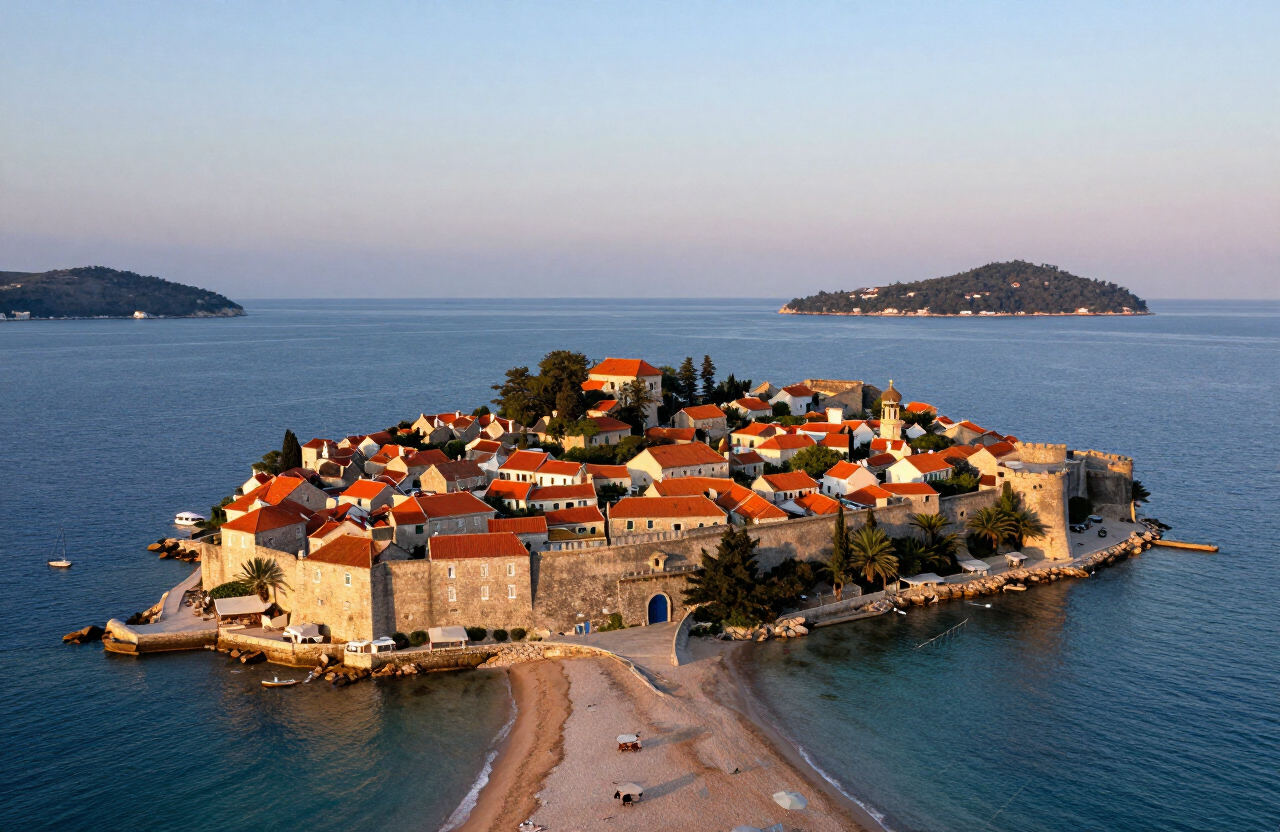
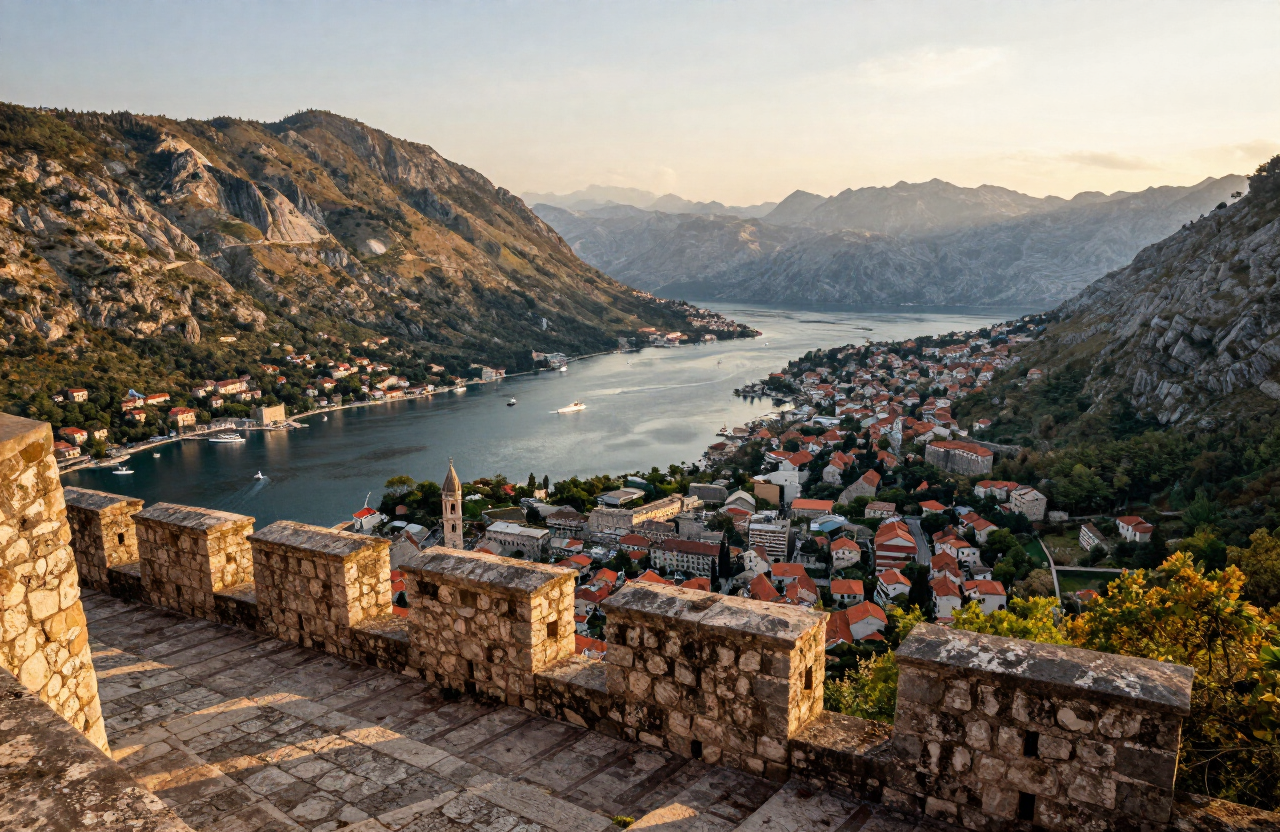
From the road

MAP & LOCATION
Budva City Museum and Archaeological Collection
Budva City Museum and Archaeological Collection, Budva, Budva & Central Coast, Montenegro
42.2783, 18.8387
MORE ATTRACTIONS
More to see in Budva


THINGS TO DO
Things to do nearby
FOOD & DRINK
Where to eat nearby
Jadran — seafood beside the old town walls
Olimp — Mediterranean dining near the marina
Old Town konobas — seafood, grilled fish and Montenegrin dishes in the lanes around the old town
HOTELS & STAYS
Where to stay nearby
Hotel Avala — on a cliff above the old town and beach
Hostel Montenegro — a budget base near the old town
Budva waterfront apartments — quieter rooms and apartments within walking distance or a short local ride of the old town
NEARBY DESTINATIONS
Continue the journey



INTERESTS
Explore by what you love
ROUTES
Routes through here
Budva Riviera Scenic Road — Old Town to Buljarica
A careful one-day scenic run along Montenegro's central coast from Budva Old Town, via Pržno and the Sveti Stefan islet, the Reževići monastery and Petrovac's harbour, to the long beach and coastal plain of Buljarica.
1 days · moderate
VIEW ROUTEPaštrovići Heritage Circuit — Budva, Praskvica, Reževići and Gradište
A realistic two-day heritage road-trip through the Paštrovići coast and its monastery landscape — Budva and the northern sites on Day 1, Reževići, Gradište and Buljarica on Day 2.
2 days · moderate
VIEW ROUTEPART OF
Keep exploring
The atlas goes on — more attractions, destinations and stories from every corner of the world.