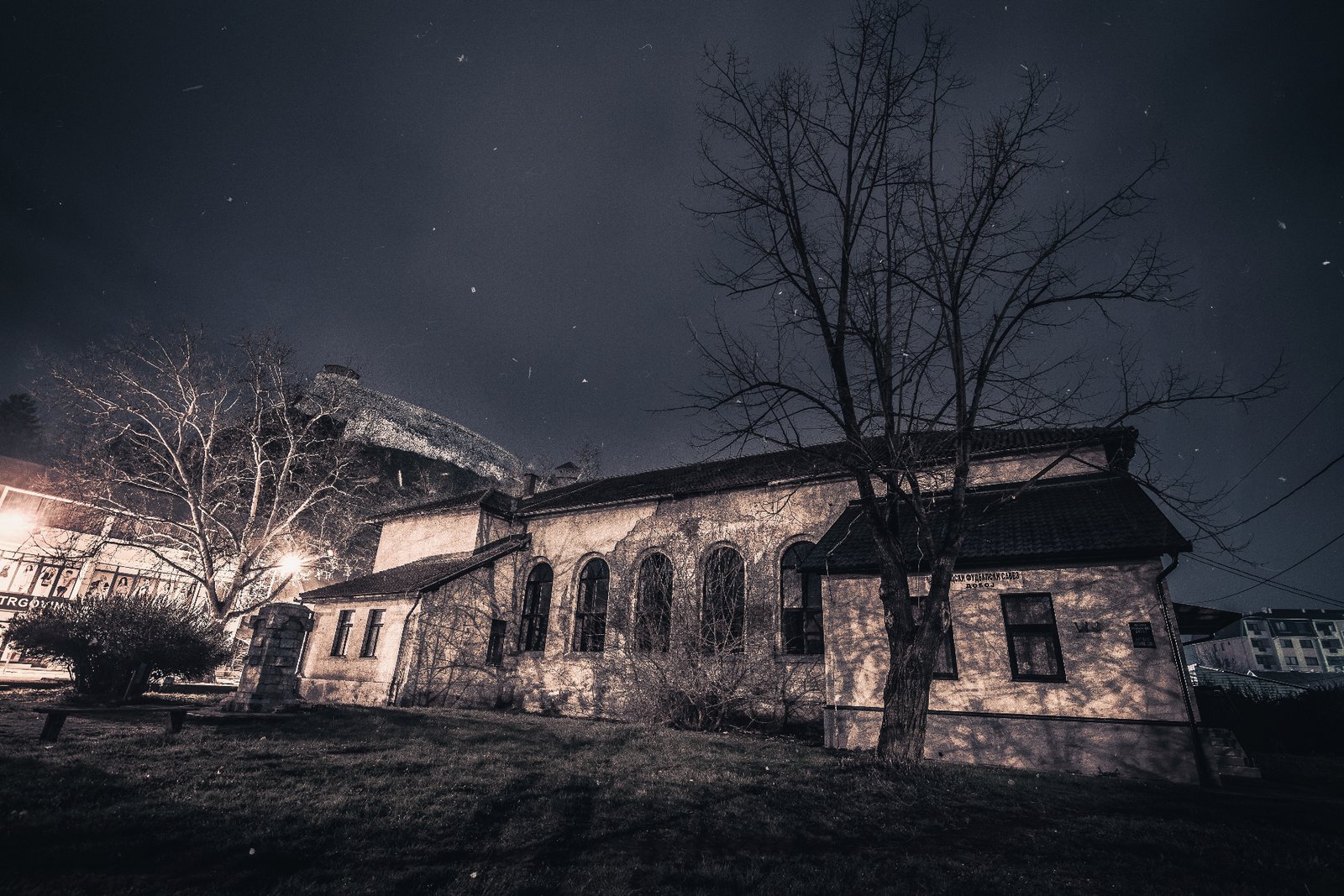
A panorama of the town of Maglaj in northern Bosnia and Herzegovina, set on the Bosna river below the fortress hill

History & Heritage

Maglaj

A medieval fortress town on the Bosna river in northern Bosnia — a hilltop citadel, an Ottoman old quarter and a deep industrial heritage shaped by the Natron pulp and paper mill.

Plan my trip

QUICK INFORMATION

COUNTRY
Bosnia & Herzegovina
REGION
Northern Bosnia
BEST TIME TO VISIT
Year-round
DURATION
Half a day – 1 day

ABOUT THE DESTINATION

Maglaj is a small town on the Bosna river in northern Bosnia, between Doboj and Žepče, dominated by a medieval hilltop fortress that has watched the river crossing for the better part of a thousand years. Below the citadel lies an old quarter of mosques, a clock tower and stone houses — the layered Ottoman and Austro-Hungarian fabric of a northern Bosnian river town — and beside the river stands the industrial plant that, for the second half of the twentieth century, gave Maglaj its working identity: the Natron pulp and paper mill. Less visited than Doboj to the north, Maglaj is a quiet heritage stop with one of the better-preserved medieval fortresses in the region, a compact and walkable old core, and a town story in which fortress, railway and factory all have a place.

MAP & LOCATION

Maglaj

HISTORY & CULTURE

The Story Behind the Place

Maglaj grew up around a medieval fortress on the hill above the Bosna river, guarding the crossing and the route through the valley. The Gradina is described in the town’s heritage as arising in the 13th century and built no later than the 14th century, and the place enters the written record soon after: a charter of King Stjepan Ostoje in 1399, and the charter of the Hungarian-Croatian King Sigismund in 1408, which names it “Sub castro nostro Maglay” — “under our fortress of Maglaj.” The 1408 mention is a documented record, not a founding date; the fortress and the settlement beneath it were already there. After the Ottoman advance into the region — the Turks first appeared in the Usora area in 1415 as allies of the Bosnians and returned in 1426 as conquerors — Maglaj passed to Ottoman rule, formally recognised in the treaty of 1503. Under the Ottomans the fortress was enlarged with walls, towers and tabije, and the town at its foot developed as a local centre: the Kuršumlija (Jusuf-paša) Mosque was raised in the second half of the sixteenth century — dated 1560 by one account and 1580 by another — and the sahat-kula clock tower followed in 1697, with Uzeirbegov konak on the riverbank and Delibegov han on the left bank added in the nineteenth century. The Austro-Hungarian occupation of 1878 brought a sharp encounter at Maglaj — in August of that year an Austro-Hungarian hussar regiment was ambushed at the town, losing forty-six soldiers, commemorated by a monument on the Bosna bank — and the new administration reshaped the town’s life: the railway reached Maglaj in March 1879, and the Church of St Elijah the Prophet was built between 1906 and 1908. Through the Yugoslav twentieth century Maglaj remained a small Bosna valley town, but its identity was increasingly shaped by industry — above all by the Natron pulp and paper mill. Natron, the predecessor enterprise known as Natron Maglaj, traced its origins to the 1950s and grew into the defining employer of the town: a fully integrated pulp and paper mill that drew its raw material from the forests of the surrounding uplands, using the long-fibre softwood of the Dinaric hills to make the wood pulp that is the basic fibre of paper. In accessible terms, the mill took timber and broke it down into pulp — the wood fibre from which paper is made — and then formed that fibre into paper and into paper packaging, above all the strong sack kraft and machine-glazed papers used for industrial sacks (cement, flour and building materials) and other packaging. For generations of Maglaj families the mill was working life: the municipality records it as the enterprise employing the largest number of the town’s citizens, and the rhythm of the shifts and the smoke of the stacks were the everyday backdrop of the place. In 2005 the enterprise was combined with Hayat to form Natron-Hayat, a newly established company that inherited the predecessor’s decades of paper-industry experience; the combination was followed by an investment programme and a revitalisation of the facilities, and the mill on the Bosna remains the town’s principal industrial enterprise. Natron-Hayat is presented here as part of Maglaj’s industrial heritage and working identity, not as an open tourist attraction: no factory tour, visitor access or booking arrangement is claimed or offered here, and visitors should not approach the working plant as a sight. The town’s story, read from the fortress above, is the layering of a medieval citadel, an Ottoman čaršija, an Austro-Hungarian railway and a twentieth-century pulp and paper mill — each of them placed beside the same Bosna river crossing.

FOOD & DRINK

WHERE TO EAT

01

Maglaj town centre — small restaurants and ćevapdžinicas along the main streets near the riverfront, for ćevapi, burek and daily Bosnian cooking

02

Riverside cafés by the Bosna — quiet spots for Bosnian coffee and a break between the fortress and the čaršija

03

Old-town konoba-style eateries — small places in the čaršija for home-style meals and local hospitality

HOTELS & STAYS

WHERE TO STAY

01

Maglaj town — a small hotel or guesthouse near the centre makes the old town a short walk; the town is the natural base for a Maglaj visit

02

Doboj, 25 km north — a wider choice of hotels, for visitors pairing the two fortresses or touring the Bosna valley

03

Zenica or Sarajevo to the south — larger centres for visitors passing through the valley on a wider northern Bosnia trip

PLAN YOUR VISIT

Practical Information

Getting There

Maglaj sits on the Bosna river between Doboj and Žepče in the Zenica-Doboj Canton, on the main road and railway that run down the Bosna valley. Intercity buses link Maglaj with Doboj, Zenica and the surrounding towns, and the railway — which reached the town as early as 1879, under Austro-Hungarian rule — still serves it. A private vehicle, a rented car or an arranged transfer is the practical way to reach the town on a flexible itinerary, and the easiest way to pair it with Doboj or Zavidovići. The town is a natural stop on a Bosna valley road trip.

What to Wear & Bring

For the town day, comfortable walking shoes and modest clothing for the Kuršumlija Mosque (shoulders and knees covered; scarves are usually provided) are the baseline. Sturdy shoes are needed for the steep, uneven climb to the Gradina fortress. Carry some cash (BAM) for the small town-centre and riverside cafés, and bring water and sun protection in summer, as the fortress walls are exposed.

Accessibility & Mobility

The čaršija and the Bosna riverfront are compact and largely flat, and walkable for most visitors. The Kuršumlija Mosque is reached on foot and requires removing shoes and climbing steps at the entrance. The Gradina fortress sits on a steep hill above the old town and is reached by a short but steep path on stone and uneven ground, which makes it inaccessible to visitors with significant mobility concerns. The riverside promenade is level and the most accessible part of the old-town loop.

WEATHER

Maglaj — Current conditions & forecast

Forecast data from Open-Meteo. Updated regularly.

TRAVEL GUIDES · STORIES

More here soon — the road is still being mapped.

All stories

MORE TO EXPLORE

Keep exploring

The atlas goes on — more destinations, stories and road trips from every corner of the world.