Fortress
Doboj Fortress (Gradina)
Doboj · Northern Bosnia
QUICK INFORMATION
- CATEGORY
- Fortress
- COUNTRY
- Bosnia & Herzegovina
- REGION
- Doboj · Northern Bosnia
- DURATION
- 1 day
ABOUT THIS ATTRACTION
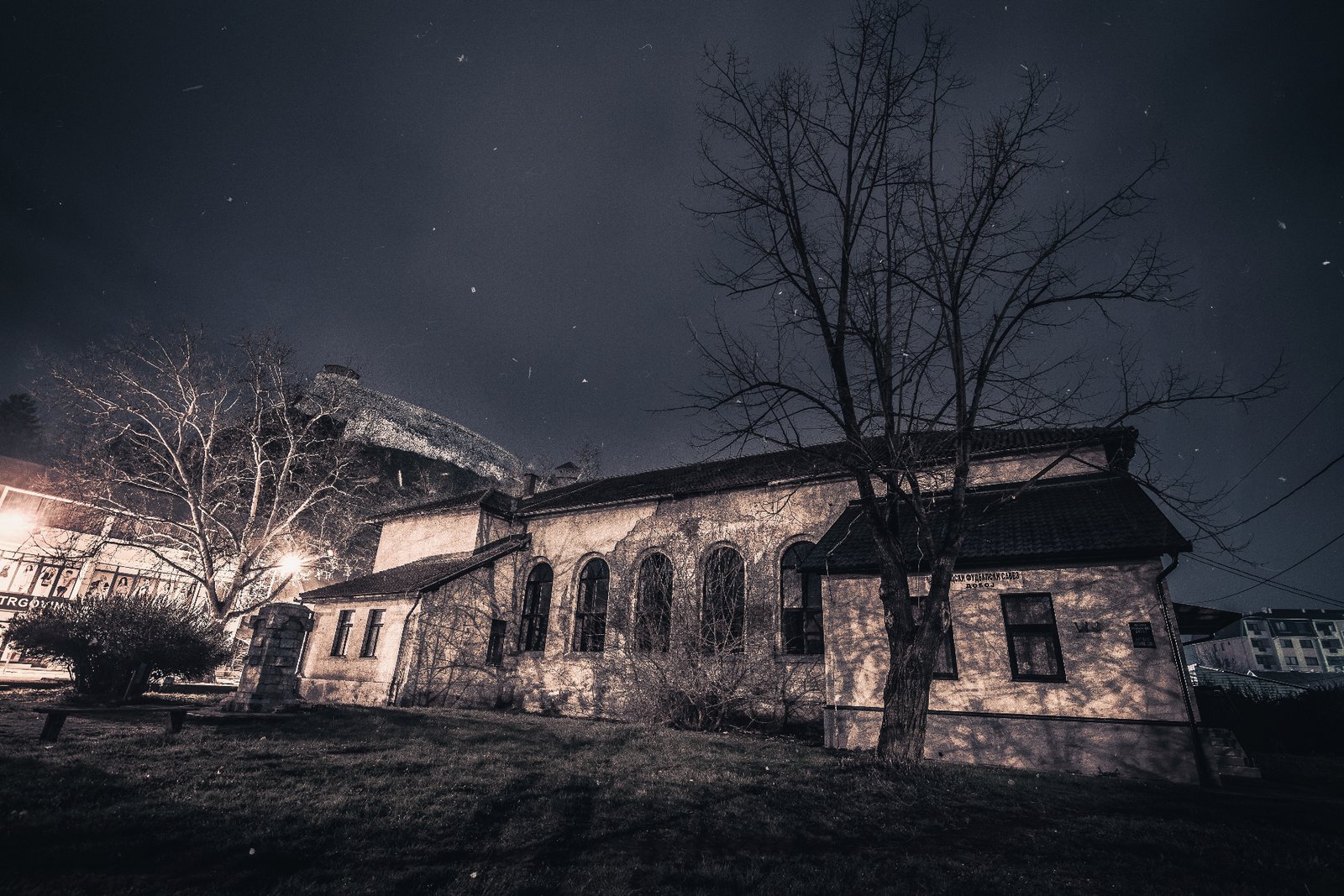
Doboj Fortress, known as the Gradina, is the one essential sight of the town. It stands on a steep hill above the Bosna river, its walls and towers rising over the valley that carries the river north through northern Bosnia. The fortress was built to command the river crossing and the routes that meet here — the Bosna valley running north–south, and the lateral roads that follow the Usora and the Spreča — and from the walls that strategic position is read at a glance. The most striking single element inside is the stone tower, the surviving keep that is the fortress’s landmark; climbed, it gives the finest panorama over the town, the river and the surrounding plain. The site carries layers: a medieval fortress documented in connection with Doboj in the early 15th century, later adapted and maintained under Ottoman rule, and restored in recent decades as a visitor monument. For a visitor it is the place that ties the town together — the reason Doboj sits where it does, and the viewpoint from which the whole setting is understood.
HISTORY & BACKGROUND
The story behind it
Doboj and its fortress enter the documentary record in the early 15th century: a reference of 1415 connects the place with the wider fighting between the Hungarian kingdom and the Ottomans in northern Bosnia, and it should be read as a documented medieval reference connected with Doboj and the fortress, not as a proven construction date. The fortress itself is medieval in origin, raised to guard the crossing of the Bosna and the routes that converge on the valley, though an exact unsupported building chronology is not stated here. After the Ottoman advance into northern Bosnia the fortress was adapted and maintained within the Ottoman defensive system, and it remained in use through the centuries of Ottoman rule. In the 20th century the site was associated with the heavy fighting of both world wars; during the First World War the Austro-Hungarian authorities operated an internment camp at Doboj, a fact of the town’s modern history rather than of the fortress itself. The citadel was restored in recent decades and is today presented as a visitor monument.
WHAT TO SEE
What to see here
The walls and ramparts — walk the stone enclosure that crowns the hill, reading the mix of medieval and later masonry and the defensive plan that commands the river valley.
The Stone Tower — the surviving medieval keep and the fortress’s landmark; climb it for the best panorama over Doboj, the Bosna river and the surrounding plain.
The view over the Bosna valley — the strategic position that gave the fortress its purpose, with the river, the town and the routes that converge here all visible from the walls.
The gates and inner courts — the entrance ways and enclosed spaces inside the walls, the working layout of a medieval citadel adapted over time.
WHY IT MATTERS
Why it matters
The Gradina is the reason Doboj exists where it does. The fortress was raised to command the crossing of the Bosna and the regional routes that meet in the valley, and the town grew beneath it. For a visitor it is the one place that ties the town’s medieval, Ottoman and modern layers together, and the viewpoint from which the whole setting — river, town and crossroads — is understood at once.
PRACTICAL INFORMATION
Before you go
MAP & LOCATION
Doboj Fortress (Gradina)
Doboj Fortress (Gradina), Doboj, Northern Bosnia, Bosnia & Herzegovina
44.7374, 18.0876
MORE ATTRACTIONS
More to see in Doboj
FOOD & DRINK
Where to eat nearby
Central restaurants and cafés around the town centre and near the fortress approach — Bosnian grills, ćevapi and everyday town cooking, chosen on the day rather than prescribed.
Riverside cafés along the central Bosna riverbank — coffee and light meals by the water, the natural pause on a riverbank walk.
HOTELS & STAYS
Where to stay nearby
Accommodation near the centre or the railway and bus connections — the practical base for a one-day town visit, within walking distance of the fortress and the riverbank.
Rural accommodation on the slopes of Mount Ozren — only where appropriate for a separate Ozren visit, for visitors adding the mountain to the town day.
ITINERARIES
Day-by-day routes


NEARBY DESTINATIONS
Continue the journey


INTERESTS
Explore by what you love
PART OF
Keep exploring
The atlas goes on — more attractions, destinations and stories from every corner of the world.