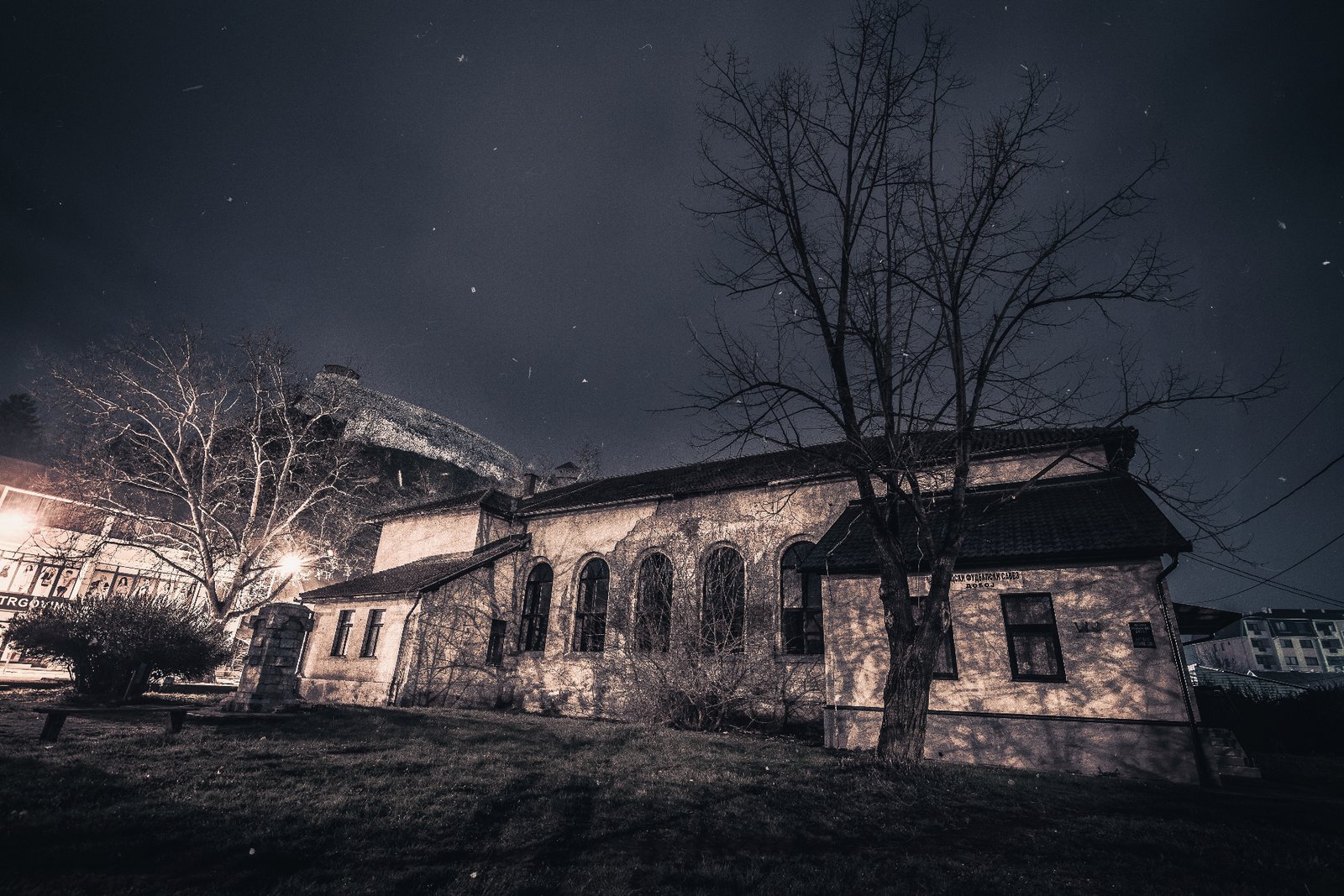
The modern town of Teslić is a comparatively recent place: it was settled in the nineteenth century, during the first industrialisation of Bosnia & Herzegovina, and its early life was built on the wood and chemical industries. It is important to distinguish the young industrial town from the older history of the surrounding settlements — long before Teslić began to grow, the nearby village of Čečava existed as one of the oldest inhabited places in the area, with archaeological evidence reaching back as early as the tenth century. The town’s industrial rise was swift: until the late 1950s Teslić was among the largest industrial centres in Bosnia & Herzegovina, its enterprises drawing on the forests of the surrounding uplands for the wood-processing trade and on the chemical industry — including the wood-distillation works known as Destilacija — that turned the region’s raw materials into finished goods. In the decades since, the town’s industry has broadened into wood, milk, clothing, telecommunications, electrical and metal production and construction, while the coal mine on the neighbouring Borja mountain, opened under Austro-Hungarian rule in 1916, was closed in the 1950s. The second strand of Teslić’s modern story is tourism, and above all Banja Vrućica. The thermal-mineral springs beside the Usora valley, whose waters had been valued locally for generations, were developed into a modern resort from 1919, when the forest engineer Simo Krstić bought the land on the springs and began to build the first hotels and pools. Research in Wiesbaden in the 1920s reported the water favourable in the treatment and rehabilitation of various disorders, and through the Yugoslav period Banja Vrućica grew into a complex of five hotels with over a thousand beds — the largest tourist capacity of its kind in the country — and a health resort known above all for cardiovascular care. After the 1990s war the resort was rebuilt and remains the principal spa destination of Bosnia & Herzegovina. Around the town, the older layers of the area are still present: the Serbian Orthodox Liplje Monastery in the Bistrica gorge, first recorded in 1576 and restored in the nineteenth century, and Rastuša Cave, where archaeologists have found the remains of cave bears and other Ice Age animals alongside Neanderthal stone tools — natural mineral “tiger-stripe” wall formations and a deep archaeological record, not the rock art once claimed for the site.