
Villages & Nature
Explore Gornja Lastva and Tivat Solila
Tivat & Luštica Peninsula · Bay of Kotor
QUICK INFORMATION
- CATEGORY
- Villages & Nature
- COUNTRY
- Montenegro
- REGION
- Tivat & Luštica Peninsula · Bay of Kotor
- DURATION
- 4–6 h
- DIFFICULTY
- Gornja Lastva is steep with steps and uneven stone; Solila is flat but with wet, soft and uneven paths. Planned transport between the two is essential.
- BEST TIME
- Spring and autumn for comfortable walking; mornings for quiet at the village and the wetland. Church and reserve access depend on the day.
ABOUT THIS EXPERIENCE
This experience pairs two locations that are often read together but are not one continuous walk: Gornja Lastva, the historic stone village on the Vrmac ridge above Tivat, and Solila, the protected former saltern and wetland on the Tivat bayfront. They sit on opposite sides of the town and require separately planned transport between them — treating them as a single stroll is the most common planning mistake in this cluster. Gornja Lastva is reached by a steep, narrow lane or a short drive above Tivat, with limited parking at the top; Solila is reached by road on the bayfront, separate from the Pine waterfront. Together they give the calm counterpoint to the Tivat waterfront: the older stone-village layer above the bay, and the quiet wetland beside it. Neither promises an interior or a sighting — the church of the Nativity of the Virgin Mary is an active religious site whose interior is never guaranteed, and Solila is a living habitat where wildlife moves on its own rhythms and visitors must stay on permitted routes.
WHAT YOU’LL EXPERIENCE
What you’ll experience
You begin at Gornja Lastva, climbing or driving the steep, narrow lane to the stone village on the Vrmac ridge, where the Church of the Nativity of the Virgin Mary, dated to 1410, sits among old stone houses, walled gardens, olive groves and cypress. You walk the narrow lanes, read the village fabric and take in the view over the bay, treating the church as an active religious site — modest dress and quiet behaviour are expected, and interiors are never assured. From the village you descend and transfer by car or arranged transport to Solila on the bayfront, a separate location reached by road. At Solila you follow the permitted trails and observation points through the protected former saltern, reading the salt-pan remains, the shallow lagoons and the reedbeds, and keeping to marked routes so the wetland habitat is not disturbed. The two stops are calm, slow and dispersed — plan them as a half-day outing with transport between them, not as a single walk.
THE EXPERIENCE IN DETAIL
What it’s really like
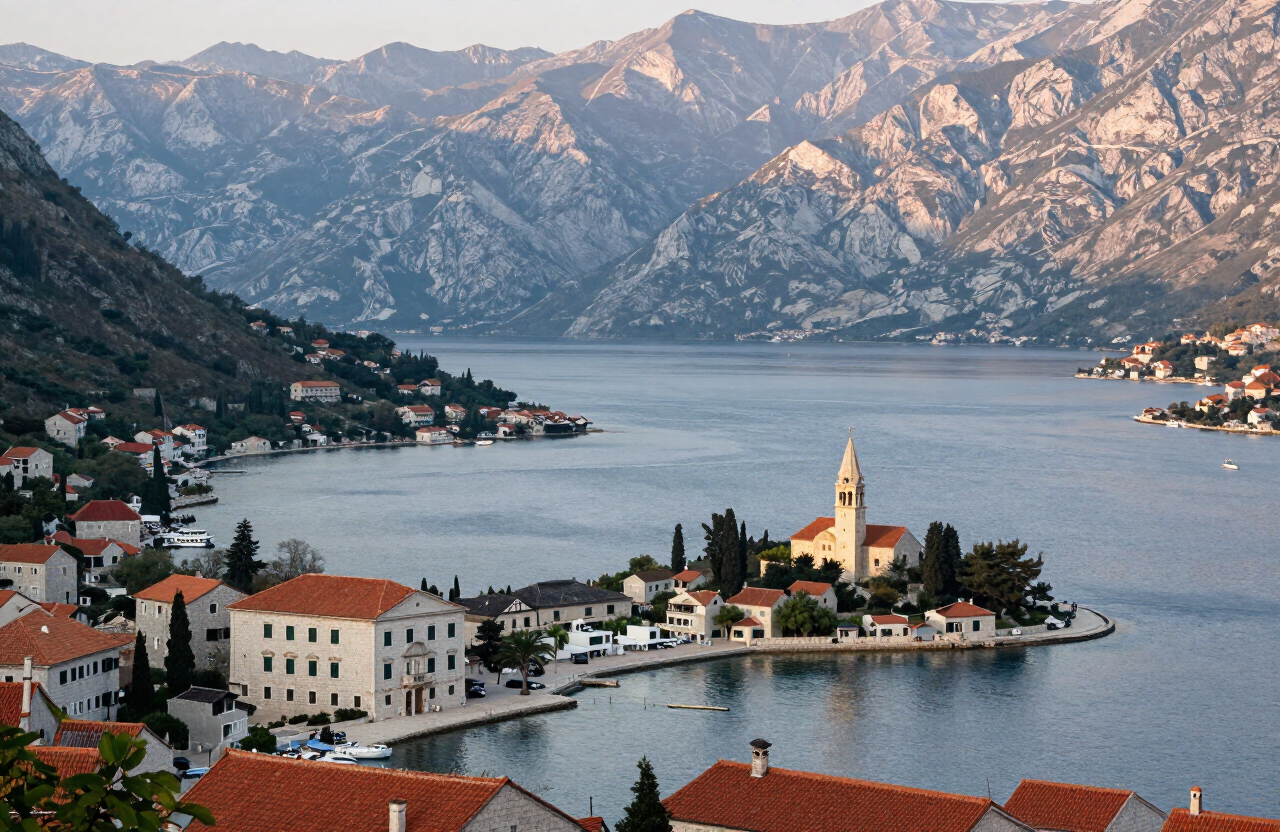
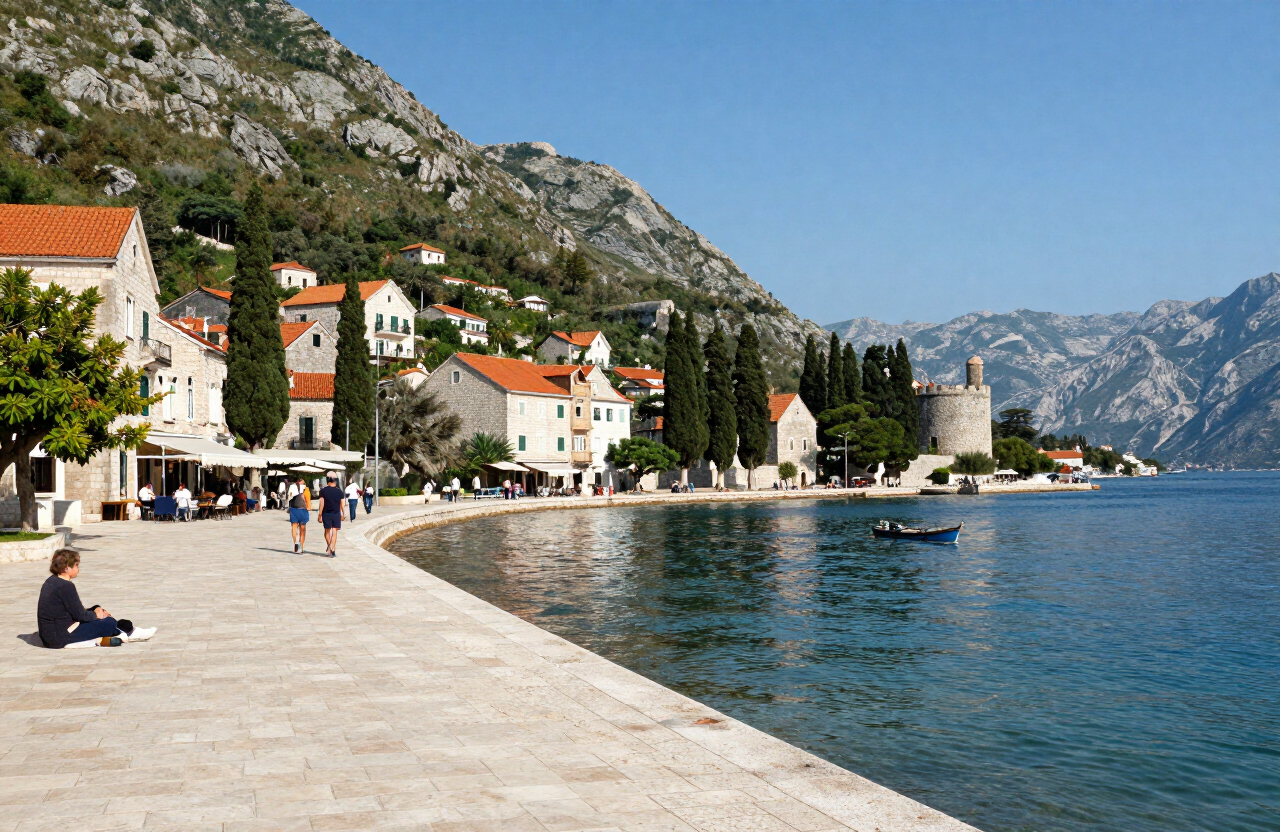
Gornja Lastva and Solila are the two calm counterpoints to Tivat's waterfront and marina, and they are read together here because they complete the picture of the cluster — the older stone-village layer above the bay and the quiet wetland beside it. They are, however, two separate locations, and the most common planning mistake is to treat them as one continuous walk. They sit on opposite sides of the town: Gornja Lastva on the Vrmac ridge above Tivat, reached by a steep, narrow lane or a short drive with limited parking at the top; Solila on the Tivat bayfront, reached by road and separate from the Pine waterfront. Planned transport between them is essential.
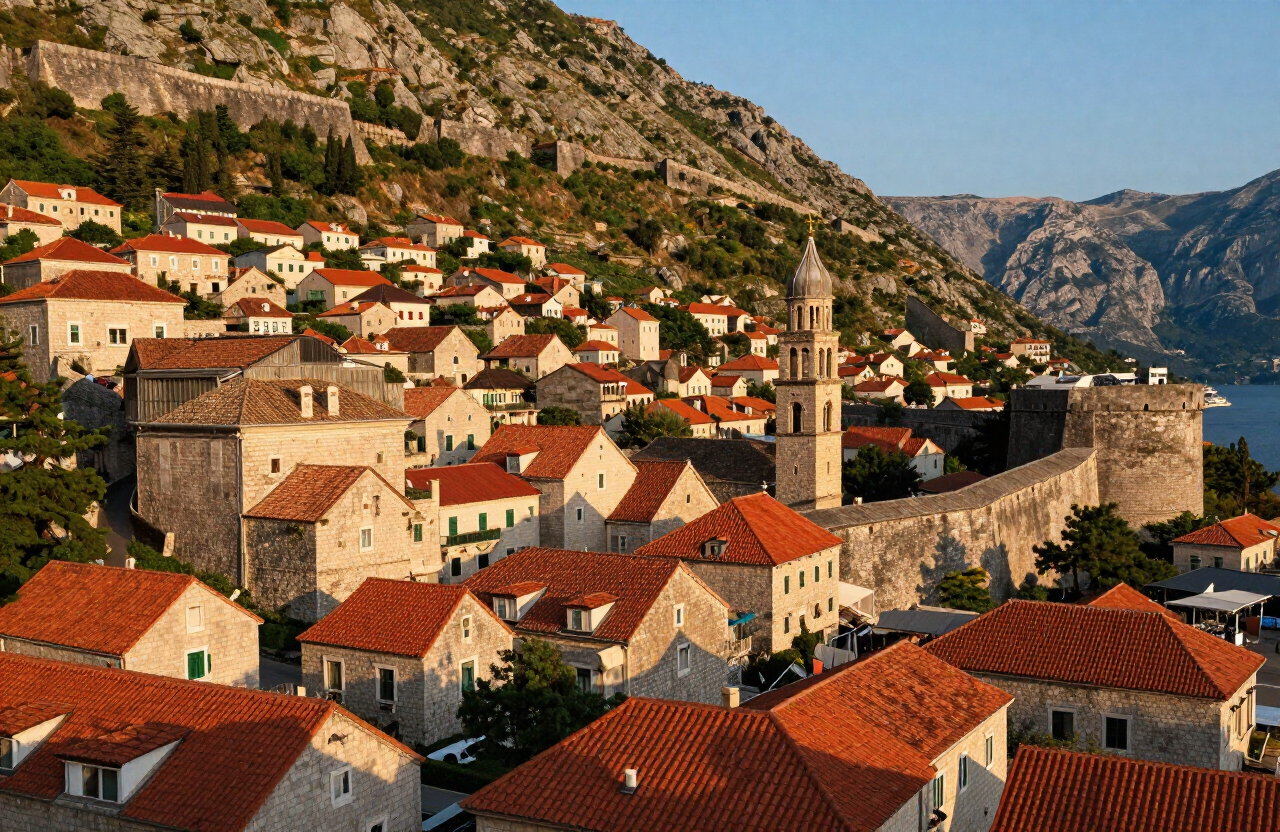
Gornja Lastva is one of the older settlements on the slopes above Tivat, a stone village of the Vrmac ridge whose houses, lanes and gardens reflect the agricultural and maritime life of the bay across many centuries. Its heart is the Church of the Nativity of the Virgin Mary, dated to 1410, a small medieval church that is the oldest recorded landmark of the settlement. The village is an active religious site: the church is not a guaranteed-open museum, interiors are never assured, and modest dress and quiet behaviour are expected whenever it is open. The reliable experience is the village itself — the stone, the lanes, the view and the setting — rather than a guaranteed interior.
Solila is a protected former saltern and Ramsar wetland on the Tivat bayfront, a shallow lagoon and reedbed landscape that is one of the Bay of Kotor's most important bird and wetland habitats. Once a working saltern where sea was evaporated for salt, the site was later abandoned as a commercial operation and recognised instead for its ecological value, becoming a Special Nature Reserve. The remains of the old salt pans still shape the landscape, now fringed by reedbeds and shallow water that draw resident and migratory birds. It is a protected site: visitors must stay on permitted routes, avoid disturbing wildlife, keep to marked paths and accept that bird sightings are never guaranteed — the reserve is a living habitat, not a zoo.
The experience is built on the village, the wetland and the permitted trails, with no promised interior or sighting. Plan the two as a half-day outing with transport between them, and treat the steep access, the limited parking and the protected wetland rules as part of the plan rather than obstacles to it.
HIGHLIGHTS
Moments worth savouring
Gornja Lastva — the historic stone village on the Vrmac ridge above Tivat, with the 1410 Church of the Nativity of the Virgin Mary at its heart.
The steep, narrow access and limited parking at Gornja Lastva — planned transport is essential, not an optional extra.
Solila — the protected former saltern and Ramsar wetland on the Tivat bayfront, a living bird and wetland habitat.
The permitted Solila trails and observation points — marked routes through the salt-pan remains, lagoons and reedbeds.
Two separate locations requiring planned transport between them — not one continuous walk.
WHAT TO EXPECT
Good to know before you go
Gornja Lastva is reached by a steep, narrow lane or a short drive above Tivat, with limited parking at the top; the village is steep, with narrow stone lanes, steps and uneven surfaces, so wear shoes with grip. The Church of the Nativity of the Virgin Mary is an active religious site; interiors are never guaranteed and are set by the parish — check locally, dress modestly and keep voices low. Solila is a protected Special Nature Reserve and Ramsar wetland reached by road on the bayfront; visitors must stay on permitted routes and marked paths, avoid disturbing wildlife, and keep to designated observation points. Opening arrangements, trail access and any entry conditions vary — check locally before visiting. No interior access or wildlife sighting is guaranteed at either location.
WHY IT MATTERS
Why it matters
This experience gives the calm counterpoint to Tivat's waterfront and marina — the older stone-village layer above the bay and the quiet wetland beside it, read together as the natural and village context of the cluster. For a visitor it is the way to see Tivat as a cultivated, village and wetland landscape rather than only a resort, and the clearest reminder that the cluster is dispersed and requires planned transport rather than a single stroll. The two locations complete the picture of the bay as a lived-in, living habitat, not only a marina.
PRACTICAL INFORMATION
Before you go
THROUGH THE LENS
From the road


MAP & LOCATION
Explore Gornja Lastva and Tivat Solila
Explore Gornja Lastva and Tivat Solila, Tivat & Luštica Peninsula, Bay of Kotor, Montenegro
42.4539, 18.7076
ATTRACTIONS NEARBY
Pair it with these sights


MORE EXPERIENCES
More to do in Tivat & Luštica Peninsula
FOOD & DRINK
Where to eat nearby
Pine waterfront and Tivat centre — cafés, konobas and restaurants along the Pine promenade and in the town centre, the most convenient base for bay fish, mezze and a relaxed waterfront meal
Donja and Gornja Lastva village konobas — small, locally run stone-village kitchens above the bay serving traditional coastal cooking, olive-oil dishes and seasonal produce, with variable opening and reservation needs
Luštica village and coastal-settlement kitchens — simple village and cove-side places on the peninsula for olive-oil cuisine, fish and grilled food, reached by car and never guaranteed open — check locally before planning a meal around them
HOTELS & STAYS
Where to stay nearby
Central Tivat and the Pine waterfront — hotels, guesthouses and apartments within walking distance of the waterfront, the marina approaches and the town centre, the most practical base for the cluster
Donja and Gornja Lastva and the Tivat slopes — quieter stone-village accommodation above the bay, with views and a slower pace, a short drive or steep walk from the centre
Luštica Peninsula village stays and coastal settlements — dispersed rural and cove-side accommodation across the peninsula, best for a slower two- or three-day stay and never a convenient single-night base
NEARBY DESTINATIONS
Continue the journey
PART OF
Keep exploring
The atlas goes on — more attractions, destinations and stories from every corner of the world.