Landmark
Ulcinj Old Town
Ulcinj · Southern Coast & Ulcinj
QUICK INFORMATION
- CATEGORY
- Landmark
- COUNTRY
- Montenegro
- REGION
- Ulcinj · Southern Coast & Ulcinj
- DURATION
- 2–3 days
ABOUT THIS ATTRACTION
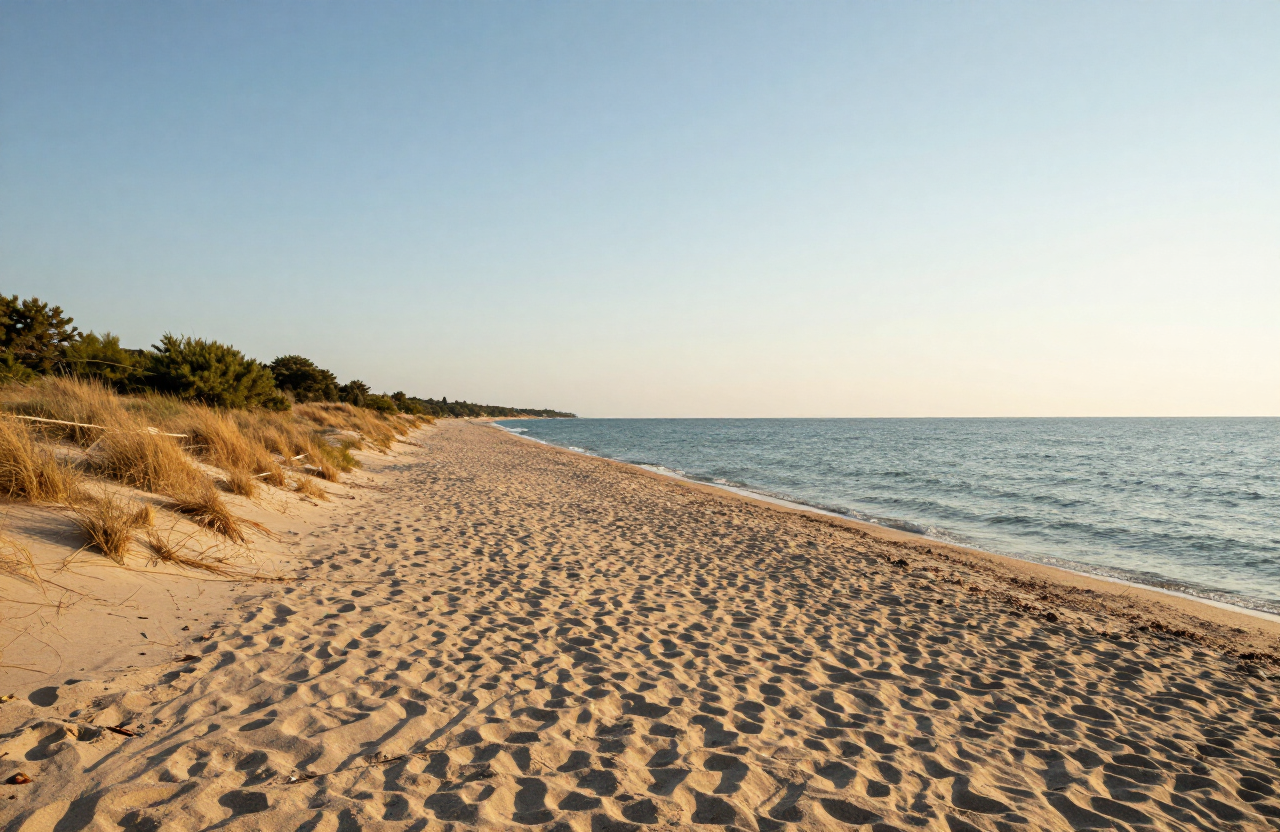
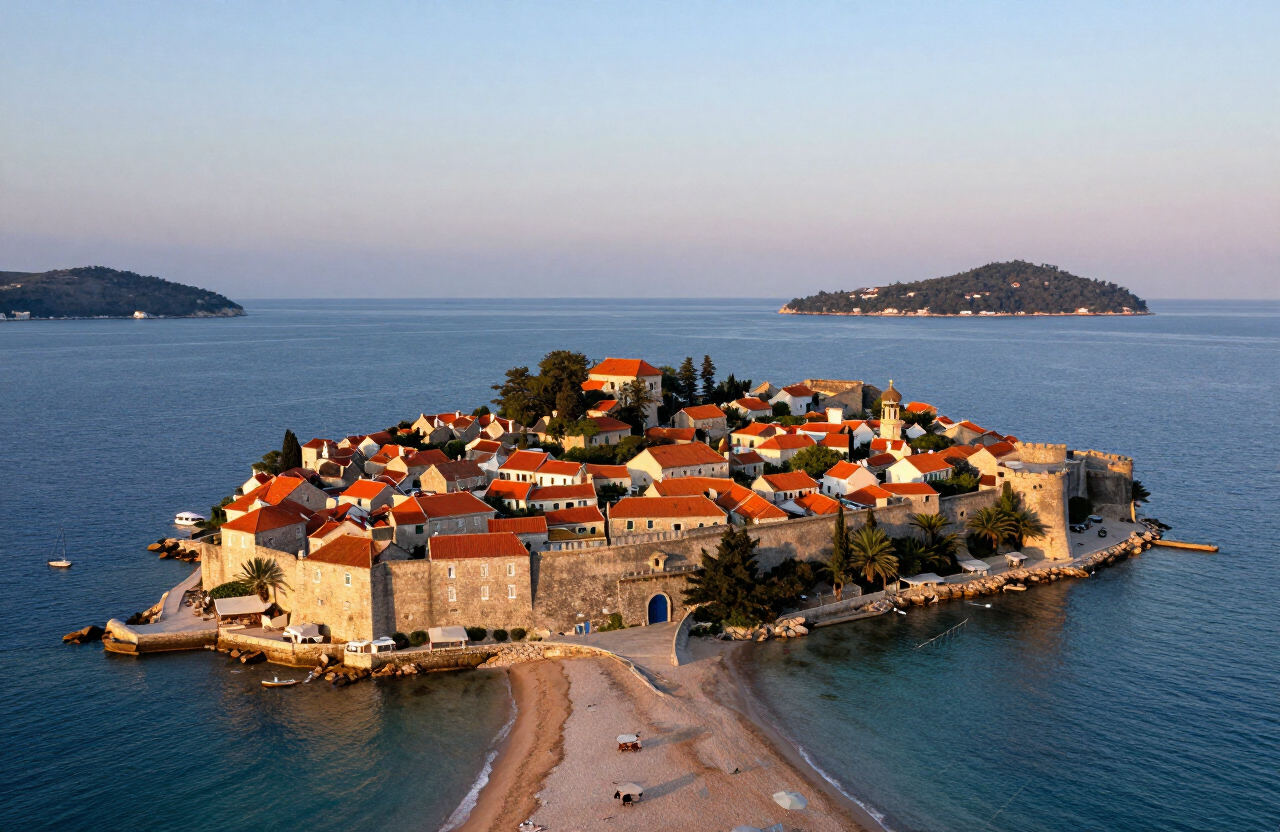
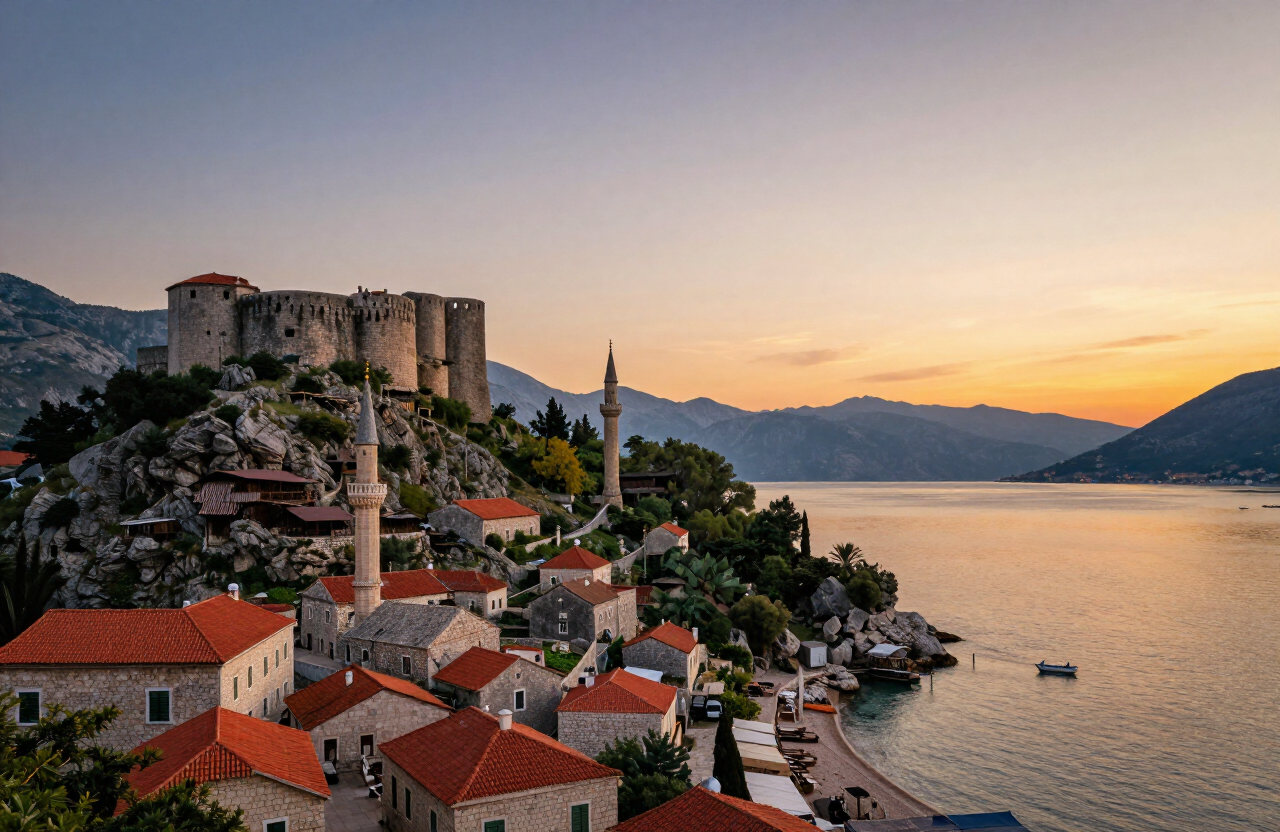
The old town of Ulcinj sits on a rocky headland above the sea, a stone fortress of medieval walls, towers and narrow lanes that looks out over both the small city beach below and the long sands of Velika Plaža stretching south. It is one of the oldest towns on the Adriatic, and its history is darker and more layered than the Venetian towns to the north: a Greek colony, then Roman, Byzantine, Serbian and Venetian, and for three centuries under the Ottomans a notorious pirate base and slave-trading port. The population is predominantly Albanian-speaking, which gives the old town a distinctly different feel from the bay towns — the call to prayer from the Pasha’s Mosque, the stone houses and the harbour below all belong to the southern, Muslim-Albanian coast rather than the Venetian north.
HISTORY & BACKGROUND
The story behind it
Ulcinj is one of the oldest settlements on the Adriatic, founded as a Greek colony named Ulcionion and later Roman, Byzantine, Serbian and Venetian. Under Ottoman rule from 1571 it became a notorious pirate base and a slave-trading port, raiding shipping across the southern Adriatic for three centuries. The old town’s walls, the Balšić Tower (built by the medieval Balšići dynasty), the Pasha’s Mosque and the slave-market square all date from these phases. Its population is predominantly Albanian-speaking, and it remains the cultural centre of Montenegro’s Albanian minority. The old town’s stone houses have been partly converted to cafés, galleries and small hotels, but the walls and the headland setting are unchanged.
WHAT TO SEE
What to see here
The medieval walls and the Balšić Tower — the fortifications of the headland, built by the Balšići dynasty and added to under the Ottomans.
The Pasha’s Mosque — the old town’s principal mosque, a reminder of three centuries of Ottoman rule.
The slave-market square — the square where captives taken by the Ulcinj pirates were once traded.
The headland view — the old town looks out over the small city beach below and the long sands of Velika Plaža stretching south to the Albanian border.
The harbour below the walls — the working harbour at the foot of the headland, with fish restaurants along the water.
WHY IT MATTERS
Why it matters
Ulcinj’s old town is the place where the Montenegrin coast changes character — from the Venetian, Catholic north to the Ottoman, Muslim-Albanian south. For a visitor it offers a fortress old town with a darker history than Kotor or Budva, a headland setting above a long sandy coast, and a genuinely different cultural atmosphere, all in a compact walkable headland. It is the best single place to read the southern coast’s distinct identity.
PRACTICAL INFORMATION
Before you go
THROUGH THE LENS
From the road
MAP & LOCATION
Ulcinj Old Town
Ulcinj Old Town, Ulcinj, Southern Coast & Ulcinj, Montenegro
41.9222, 19.2014
MORE ATTRACTIONS
More to see in Ulcinj


FOOD & DRINK
Where to eat nearby
Konoba Liman — fish beside the old town harbour
Ada Bojana river restaurants — stilted fish restaurants on the Bojana, reached by boat or bridge
Old Town harbour cafés — seafood, grilled fish and Albanian-Montenegrin dishes along the waterfront below the walls
HOTELS & STAYS
Where to stay nearby
Hotel Palata Venezia — inside the old town walls
Velika Plaža beach clubs and apartments — closer to the long sandy beach south of town
Ulcinj waterfront apartments — quieter rooms and apartments within walking distance or a short local ride of the old town
ITINERARIES
Day-by-day routes
NEARBY DESTINATIONS
Continue the journey


INTERESTS
Explore by what you love
PART OF
Keep exploring
The atlas goes on — more attractions, destinations and stories from every corner of the world.