
EXPLORE BY INTEREST
Fortresses & Castles
Medieval citadels, royal strongholds and Ottoman fortifications — the fortified heritage of Bosnia & Herzegovina, from royal seats to river-crossing keeps.
Explore by country
Where to do it
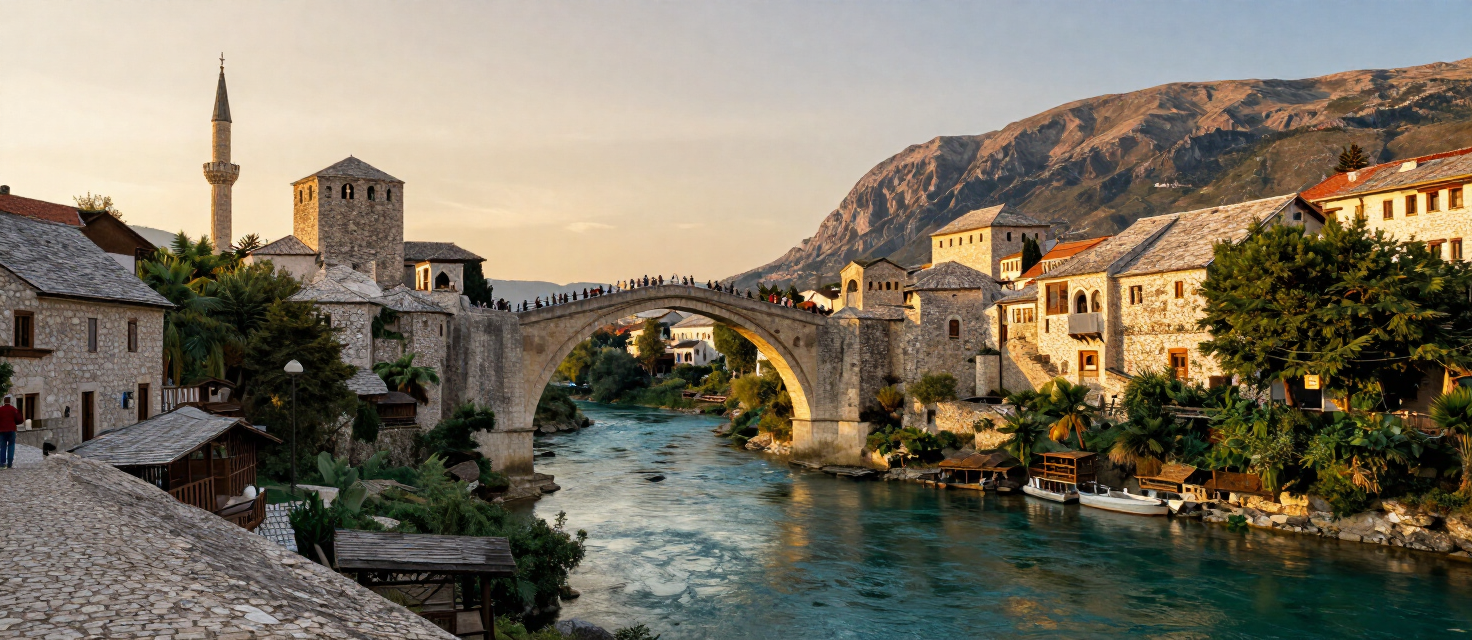

Bosnia & Herzegovina heritage guide
Explore the fortresses and castles of Bosnia & Herzegovina
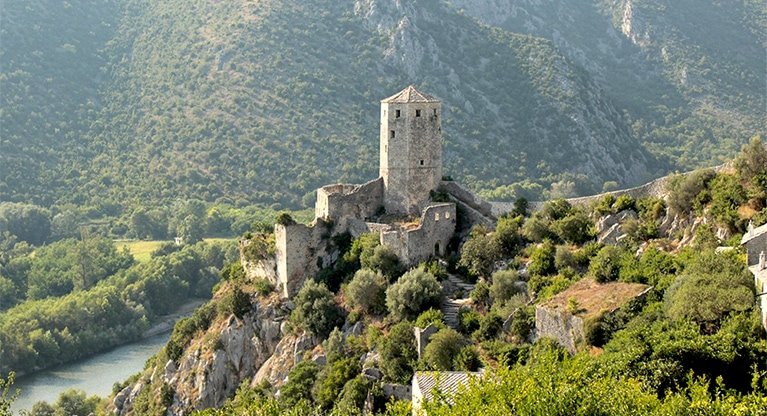
Bosnia & Herzegovina holds one of the densest concentrations of medieval and Ottoman fortifications in the Balkans. Royal seats, river-crossing keeps and hilltop citadels run from the central Bosnian highlands to the northern plains and the karst of Herzegovina, each placed to command a valley, a crossing or a route to the sea. Some are restored visitor monuments with towers you can climb; others are open-air ruins on steep, uneven ground. A fortress visit is best read as a single focused stop rather than a rushed photo, and several can be threaded into a regional heritage route.
FEATURED AREAS
Jajce
The medieval royal town — Jajce Fortress above the Pliva Waterfall and the confluence of the Pliva and the Vrbas, the citadel where the last kings of Bosnia were crowned.
Travnik
The former seat of the Ottoman viziers — Travnik Fortress above the Lašva, with the painted Sulejmanija Mosque and the old town below.
Bihać & the Una
A medieval river town on the Una — the Captain’s Tower in the old core and Ostrožac Castle upstream, the gateway to Una National Park and the Krajina.
Doboj
The Gradina above the Bosna — a medieval citadel with a surviving stone tower commanding the river crossing and the northern routes.
Banja Luka
Kastel Fortress at the heart of the Krajina — walls and towers on the Vrbas at the centre of the city.
Bobovac Royal Fortress
The medieval royal seat near Vareš — the fortified stronghold where the crown of Bosnia was kept and the royal tombs stood, reached by a steep climb.
WHEN TO GO
- Spring to early autumn gives the most comfortable walking weather for the exposed hilltop sites and the steep approaches.
- Summer afternoons are hot on the stone and the ramparts; start early and carry water.
- Winter visits are possible at the lowland town fortresses, but snow, ice and short daylight make the hilltop ruins harder and riskier to reach.
WHAT TO CARRY
- Sturdy shoes with grip — the approaches are steep, cobbled or uneven, and the stone is slippery when wet.
- Layers and sun protection — the ramparts and ruins are exposed to wind and sun.
- Water and a charged phone — some hilltop sites have no shade or facilities.
- A small torch for dim towers or underground passages where access is permitted.
PLAN THE ROUTE
- Group fortresses by region rather than chasing many in one day: the central Bosnian royal towns (Jajce, Travnik, Vranduk, Bobovac), the northern plains (Doboj, Tešanj, Srebrenik, Gradačac, Maglaj) and the Herzegovinian karst (Počitelj, Stolac, Blagaj, Trebinje).
- Confirm current access, opening arrangements and any entry fees locally before a dedicated visit; do not rely on fixed schedules.
- Allow more time than the distance suggests — the climbs are steep and the reading of the site is the point of the visit.
- Combine a fortress with the old town or riverbank below it for a balanced half-day at each destination.
SAFETY
- Stay on marked paths and within the visible walls — many ruins are open-air, unmaintained in places, and have loose stone, drops and unprotected edges.
- Do not climb on fragile walls, towers or parapets that are not part of a signed visitor route.
- Treat the destination coordinate as the historic site, not a guaranteed parking place or entrance point; confirm the actual approach and access locally.
- Descend carefully in wet weather — the stone and the approach paths become very slippery, and some hilltop sites are unsafe in storms or high wind.
SOURCESDestination360 canonical destination and attraction records (Jajce, Travnik, Bihać, Doboj, Banja Luka, Bosanska Krupa, Una National Park, Trebinje, Počitelj, Blagaj, Stolac, Maglaj) · Destination360 foundation records (Bobovac, Tešanj, Srebrenik, Vranduk, Gradačac) (checked 2026-09-24)
Destinations
Places for this interest


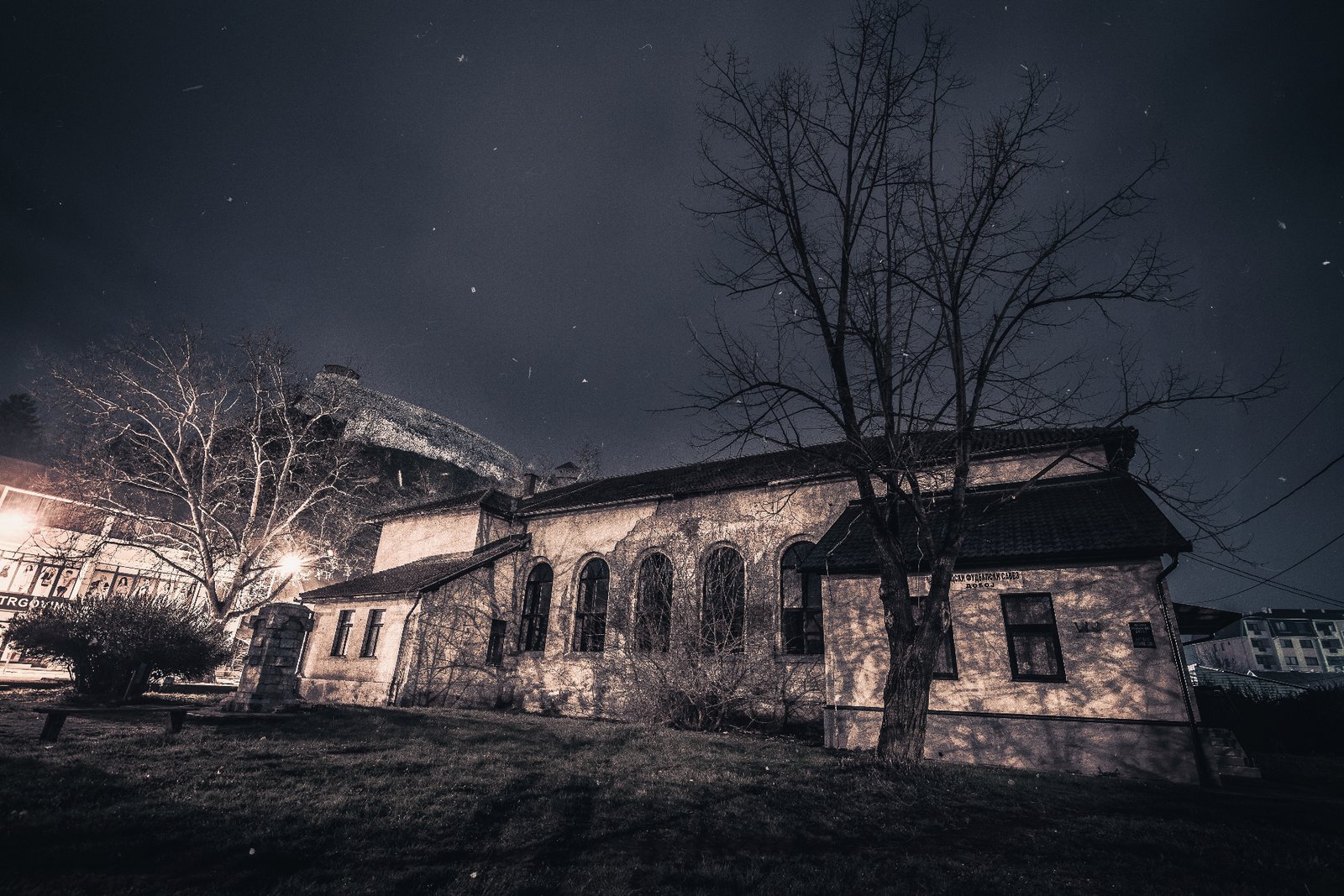
Routes
Routes & rides
Three Castles Path
A heritage-focused forest walk above Škofja Loka that connects the landscape of Loka Castle with the ruins and historical traces of the Three Castles Path.
moderate
VIEW ROUTEFridrihštajn Castle Trail
A forest climb through the hills above Kočevje toward the ruins of Fridrihštajn Castle, connecting the route with the historical story of the castle landscape.
4.3 km · 1.75 h · moderate
VIEW ROUTEOn the atlas
Fortresses & Castles
STORIES
From the magazine
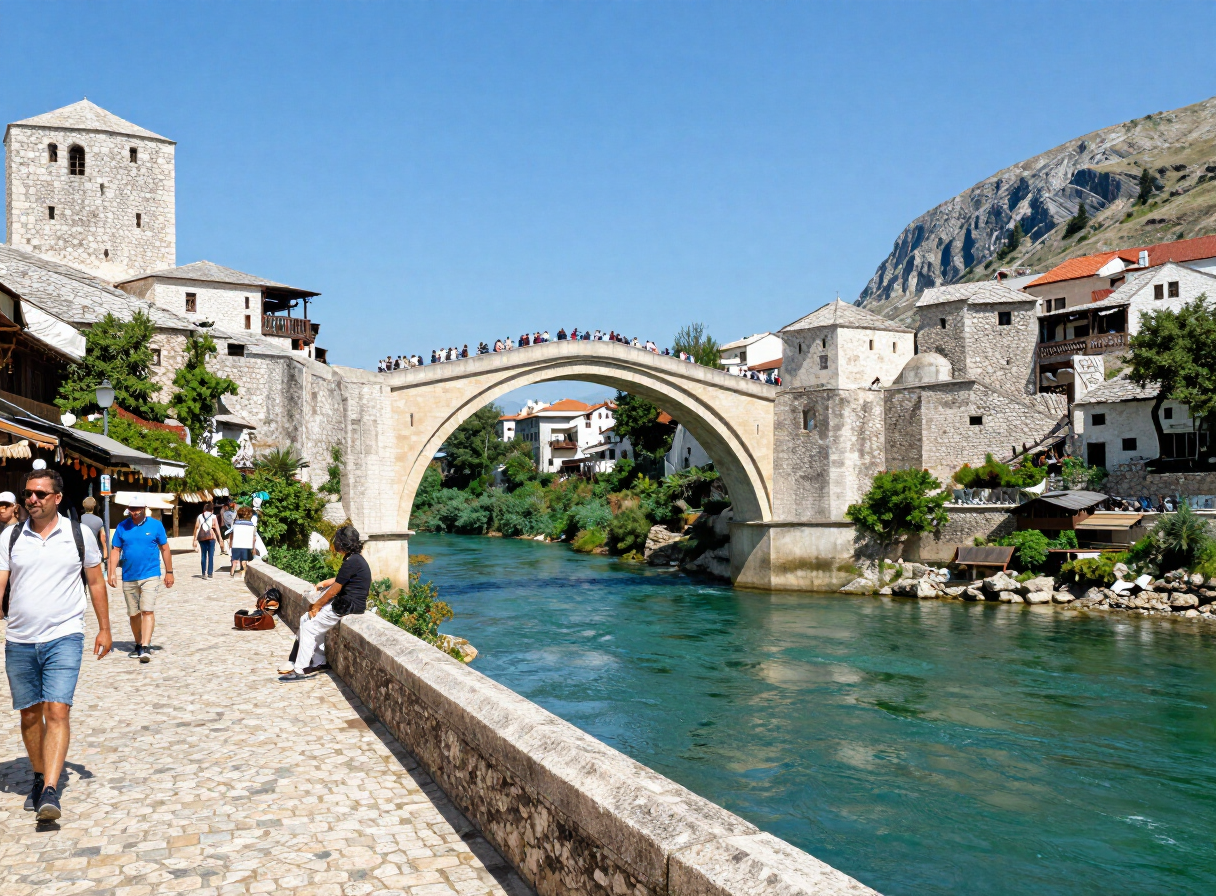
A Road Trip Through Herzegovina — Mostar, Blagaj, Počitelj and Stolac
Read story
Following the Una — From Bihać to Bosanska Krupa
Read story
Trebinje and Southern Herzegovina — Stone, Wine and Karst
Read story
Banja Luka and the Vrbas Canyon — A City Shaped by Water
Read story
Jajce — Between the Waterfall, Fortress and Pliva Lakes
Read story
Bosnian Pyramids in Visoko — Claims, Evidence and What Visitors See
Read story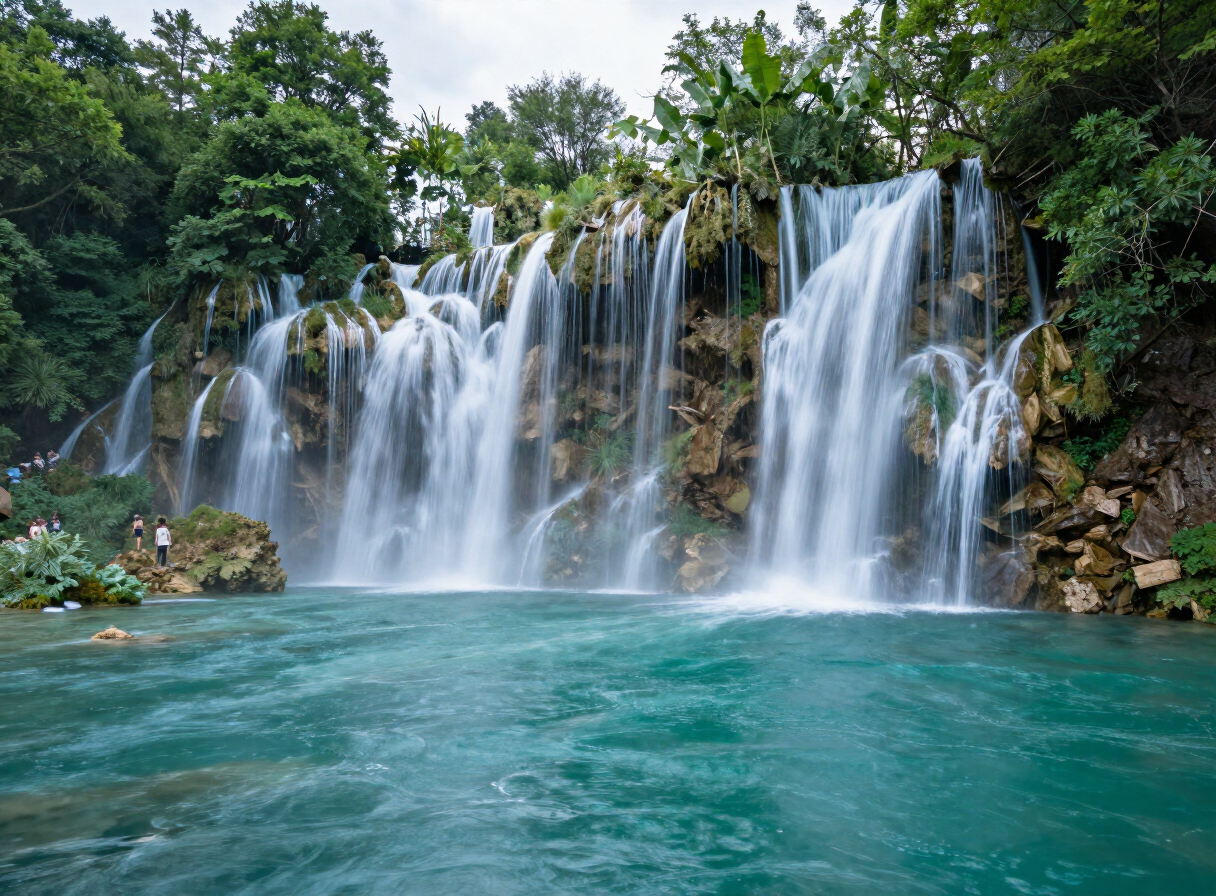
Explore by interest
Every place in the atlas is tagged by what you can do there. Pick an interest and the destinations, experiences, routes and sights connected to it come into view — one reusable view, no matter the interest.