
MAGAZINE STORY · Nature
Following the Una — From Bihać to Bosanska Krupa
A journey through the river cities, waterfalls, protected landscapes and outdoor culture of northwest Bosnia and Herzegovina.
THE STORY
A journey through the river cities, waterfalls, protected landscapes and outdoor culture of northwest Bosnia and Herzegovina.
- Published
- September 23, 2026
- Read time
- 8 min read
Meet the Una in Bihać
Bihać is the principal town of the far northwest of Bosnia and Herzegovina, set on the clear, fast Una river in the historical region known as the Krajina. It is an old border town — medieval walls, a Gothic church turned mosque, a stone captain’s tower — built around a river so green and immediate that it shapes almost every street in the centre.
The Una runs through Bihać before it reaches the national park downstream, and the riverfront is the place to start. The Fethija Mosque, the Captain’s Tower and the compact inner city read as a frontier town organized around water, and the town is walkable in a morning. Bihać is also the natural gateway to Una National Park, which begins just south of the city.
For most visitors Bihać is the base from which the park is explored, and a worthwhile town in its own right. Begin here, get oriented to the river, and carry the sense of the Una downstream into the park.
Enter Una National Park with time to spare
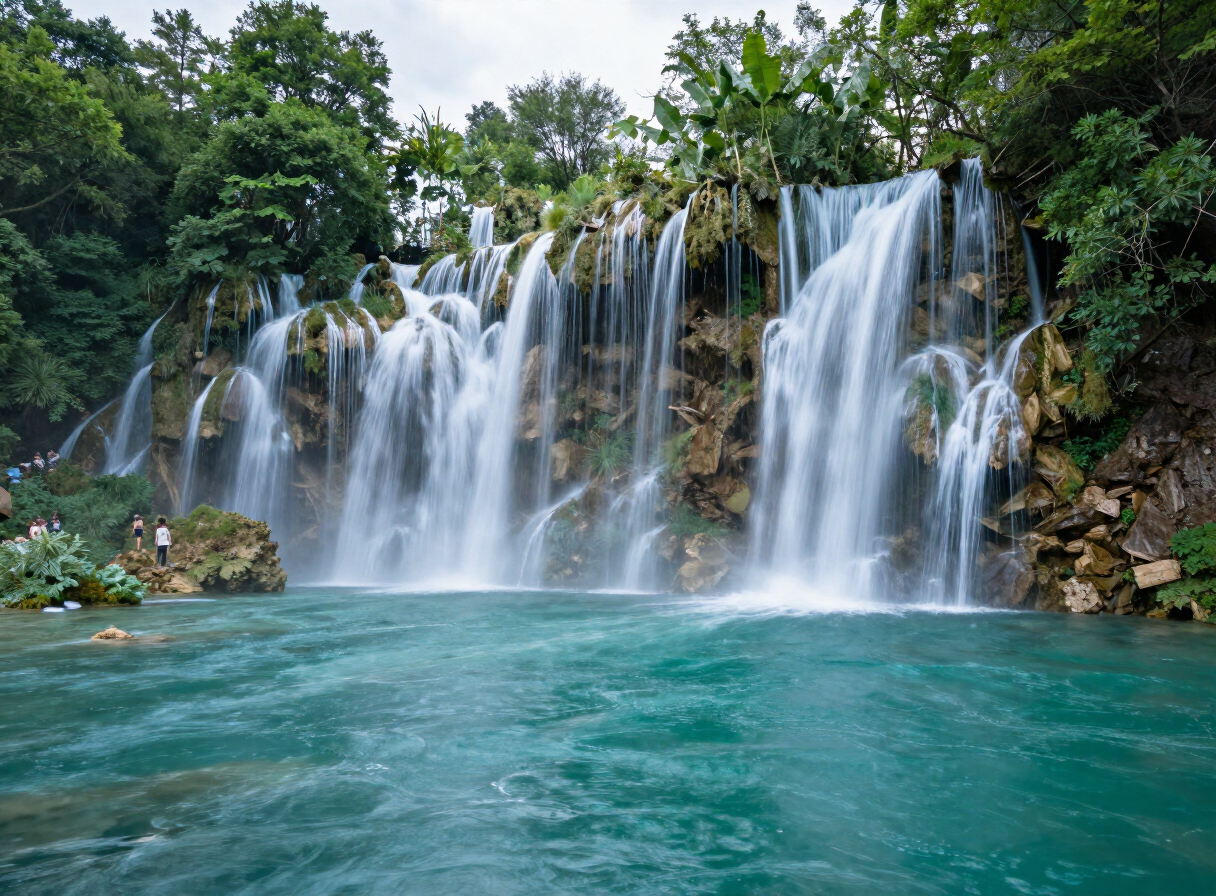
South of Bihać, Una National Park protects the finest stretch of the river: a sequence of travertine waterfalls, emerald pools and clear rapids cutting through a forested canyon toward the Croatian border. The Romans are said to have called the river Una — “the one” — because no other river compared, and the park is built around the water.
The headline sight is Štrbački Buk, a broad travertine cascade you can stand beside, and the park holds further waterfalls and rapids along the Una and its tributaries. The park is the country’s great river park — a place where the headline experience is getting onto the water itself, and where the walking, the swimming and the viewing all follow from the river.
The park deserves more than a flying visit. Enter with time to spare, plan the stops along the river, and treat the waterfalls as the spine of the day rather than a single photo stop.
Treat rafting and kayaking as planned activities
The Una is a powerful river, and rafting and kayaking are the experiences most visitors remember — but they are planned activities, not spontaneous ones. The rapids that make the river famous also make it dangerous for the unprepared, and the park’s water levels change with the season and the weather.
Treat both sports as things to arrange in advance with knowledgeable local providers, to brief for properly, and to undertake with the right equipment. The river is the reason the park exists, and the way to enjoy it is the way to respect it: planned, guided, and within the conditions of the day.
Swimming is possible where the river is calm enough, and the walking trails and viewpoints carry the visit when the water is not an option. The river sets the pace; the visit follows it.
Finish among the islands of Bosanska Krupa
Downstream of Bihać and outside the national park, Bosanska Krupa is a small river town where the Una widens and breaks around green islands joined by wooden footbridges, beneath the ruined medieval fortress of Pset on the hill above. It has the character of a quiet water crossroads — a place shaped less by grand events than by the river itself.
The day here is spent walking the fortress hill, crossing the bridges to the islands, resting by the water and, in the warm months, swimming where the river is calm enough. The reconstructed mills and the nearby spring of Vrelo Krušnice carry the river-town character further, and Bosanska Otoka downstream — where a mosque stands on its own river island — extends the same logic of the Una.
Bosanska Krupa is the most relaxed stop on the Una, and the natural end to a journey that begins in Bihać and runs through the park. Finish among the islands, and the river has made its case.
Build a flexible three-part journey
The Una reads best as a flexible three-part journey — the river town, the protected park, and the quiet water crossroads downstream — with the river as the thread that joins them. Build the days around the water, and let the conditions of the river set the pace.
- Bihać first — orient to the river in the town before heading into the park.
- The park as the core — give Štrbački Buk and the waterfalls a full day rather than a quick stop.
- River activities planned — arrange rafting and kayaking in advance with knowledgeable local providers and the right equipment.
- Bosanska Krupa to close — the islands and the fortress are the relaxed end to the route.
- Check conditions — water levels and access change with the season; confirm before river activities.
Practical notes for following the Una
- Suggested time
- Two to three days let the river, the park and Bosanska Krupa unfold without rushing.
- Best season
- Late spring to early autumn for rafting, swimming and the fullest water; check conditions before river activities.
- Getting around
- Bihać is the natural base; the park and Bosanska Krupa are reached by road from there.
- Responsible travel
- Use knowledgeable local providers for rafting and kayaking, and follow park guidance to protect the river.
THROUGH THE LENS
From the road


RELATED DESTINATIONS
Places in this story

Bihać
A medieval river town on the Una — the gateway to Una National Park and the Krajina.
Northwest Bosnia / Krajina

Una National Park
Emerald cascades and rafting on the river named “the one”.
Northwest Bosnia / Krajina
Bosanska Krupa
A river town of a fortress, wooden bridges and green islands on the Una — the Krajina’s quiet water crossroads below Bihać.
Northwest Bosnia / Krajina
ATTRACTIONS IN THIS STORY
15 attractions
Fethija Mosque
Bihać’s oldest place of worship — a late-medieval Gothic church converted into a mosque after the Ottoman conquest, and one of the rare buildings in Bosnia where a Christian and an Islamic layer stand in the same walls.
Captain’s Tower
The medieval defensive tower at the heart of Bihać’s old town — a stone keep that once guarded the river crossing and now houses the city museum, with displays on the Krajina and the Una valley.
Una riverfront
The stretch of the Una that runs through Bihać — clear, fast and emerald-green, lined with green banks and crossed by the old Iron Bridge — is the city’s defining natural feature and the reason the town sits where it does.
AVNOJ Museum
The building in Bihać where the first session of AVNOJ — the Anti-Fascist Council for the National Liberation of Yugoslavia — met in November 1942, now a museum commemorating the founding assembly of wartime Yugoslavia.
Ostrožac Castle
A castle in the Una valley near Cazin, northwest of Bihać, with medieval origins and romantic 19th- and 20th-century additions — a fortified old core with towers and walls, set in gardens above the Una, and one of the most distinctive castles of the Krajina.
Štrbački Buk
The park’s thundering multi-tiered cascade on the Una, straddling the Bosnia–Croatia border — the headline sight of Una National Park and one of the largest waterfalls in the country.
Martin Brod Waterfalls
A gentler, multi-step series of travertine falls beside the small riverside village of Martin Brod — the upper-gateway settlement of Una National Park and a quieter counterpart to Štrbački Buk.
Kulen Vakuf
A small riverside town in the upper park where the Una runs clear and green between forested banks, with a historic Ottoman bridge and the trailhead for the climb up to Ostrovica Fortress.
THINGS TO DO
Experiences Not to Miss
Walk Bihać’s historic centre and Una riverfront
Use Bihać as your base for the Una valley and the Krajina
Camp on the Una — the rafting camps and riverside sites
Raft the Una river
Explore the Una’s waterfalls and river landscapes
Camp in the national park — Camp Buk and the riverside sites
Walk Bosanska Krupa’s fortress, islands and wooden bridges
Raft the Una at Bosanska Krupa
RELATED GUIDES
Practical guides
ROUTES
Routes through here
Una Canyon Scenic Road — Bihać to Bosanska Otoka
A scenic run down the M14 along the Una canyon from Bihać, via Ostrožac Castle and Bosanska Krupa, to the river-island village of Bosanska Otoka.
47 km · easy
VIEW ROUTEUna Valley Ride — Bihać to Štrbački Buk via Martin Brod
A quiet northwest ride along the upper Una: from Bihać through the Una National Park to the Martin Brod meadows and the terraced falls of Štrbački buk near the Croatian border.
101 km
VIEW ROUTEČukovi–Štrbački Buk MTB Trail
A short mountain-bike trail from the Čukovi entrance across the Kliševića plateau towards the Štrbački Buk visitor area, combining forest terrain, cultural interpretation and a rough final descent.
5 km · 1.25 h · easy
VIEW ROUTEŠtrbački Buk–Loskun Una Rafting Section
A guided white-water descent below Štrbački Buk through one of the most powerful and technically demanding rafting sections of the Una.
7 km · 2.5 h · challenging
VIEW ROUTEKostela–Bosanska Krupa Una Kayak Descent
A guided kayak descent of the Una from the Kostela area towards Bosanska Krupa — an operator-led river run of roughly 20 km with sections commonly described as Class II–III.
20 km · 4 h · moderate
VIEW ROUTEMORE TO EXPLORE
Keep exploring
The road goes on — more destinations, stories and road trips from every corner of the world.